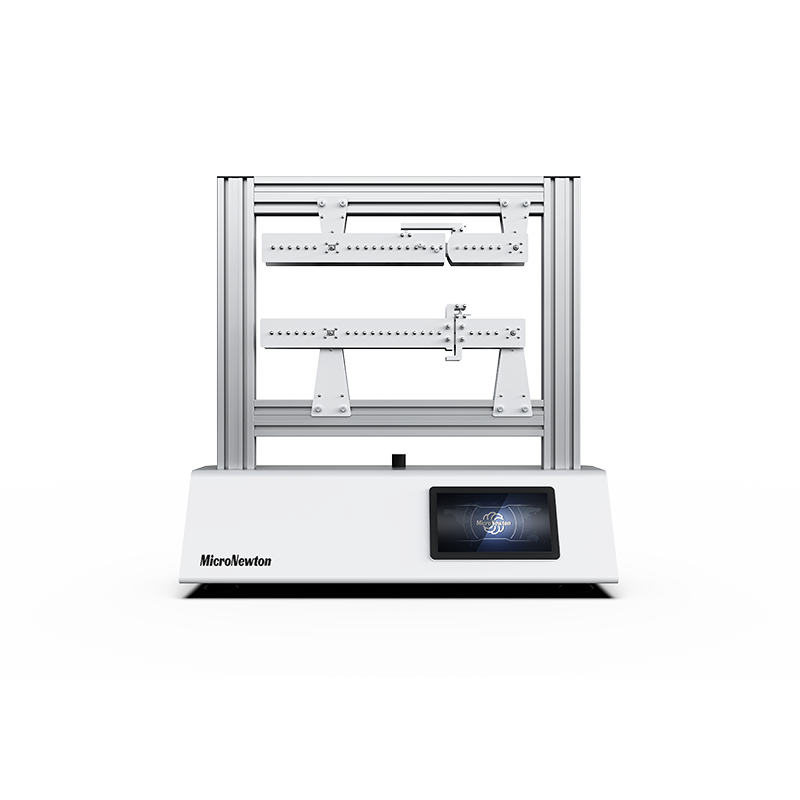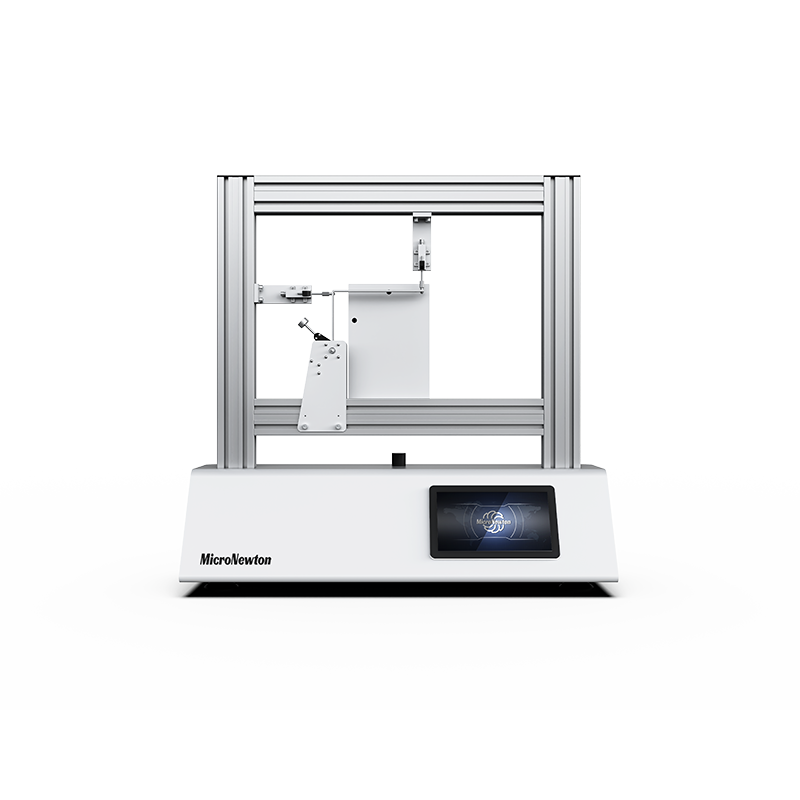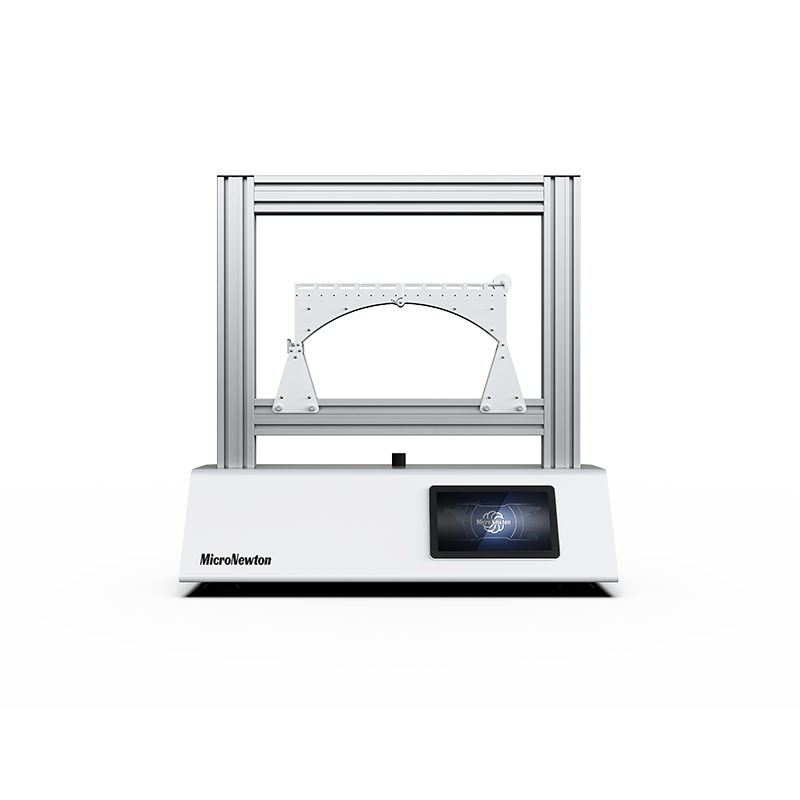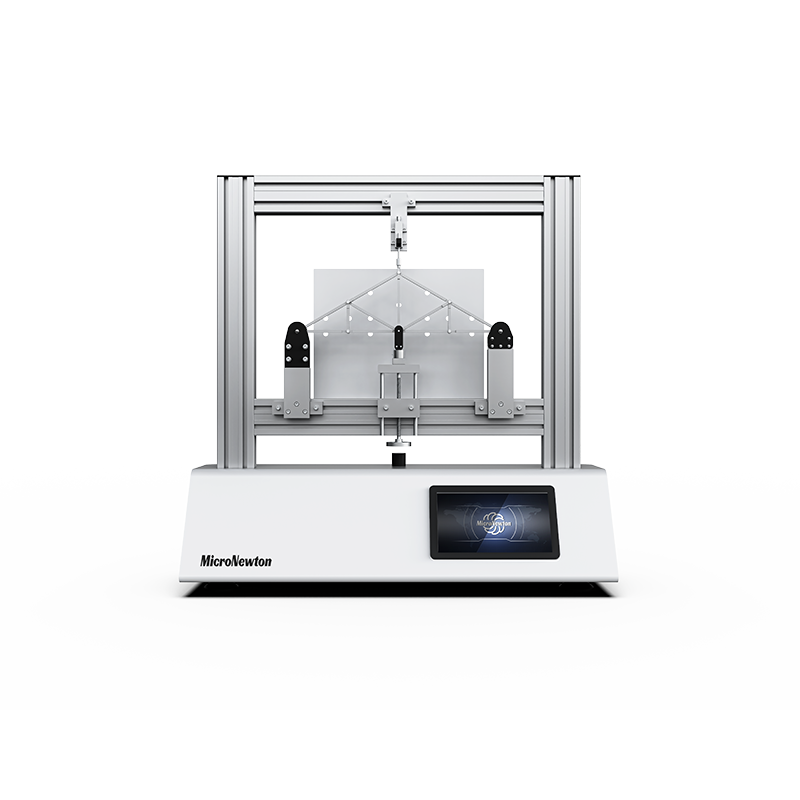
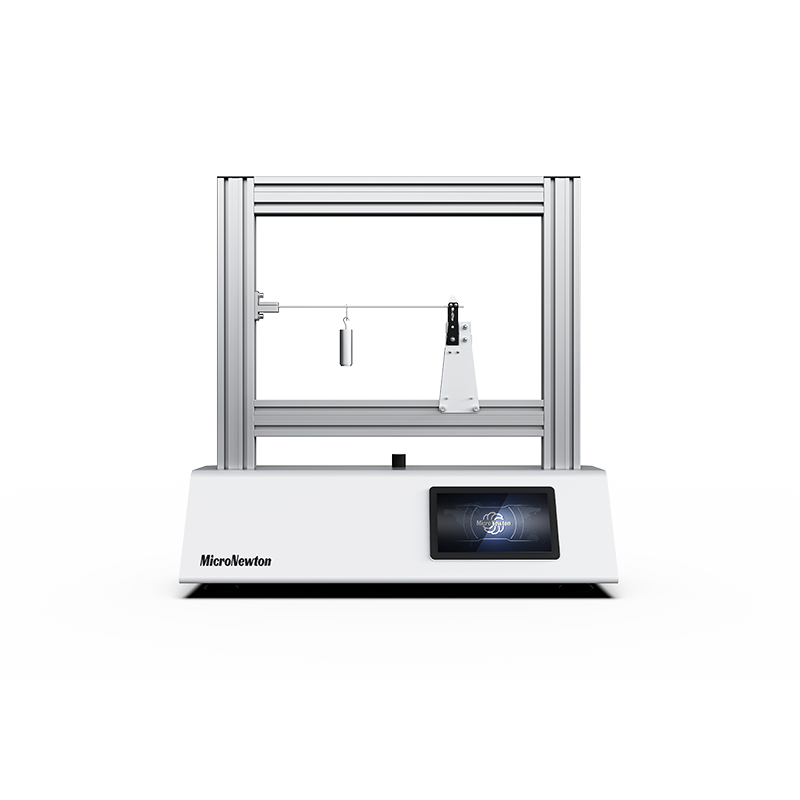
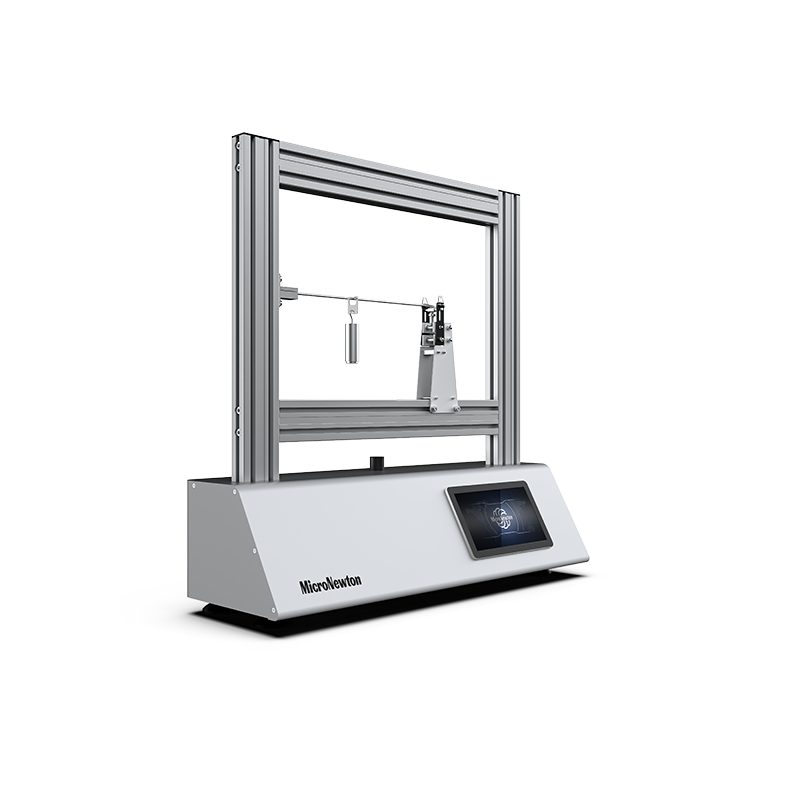
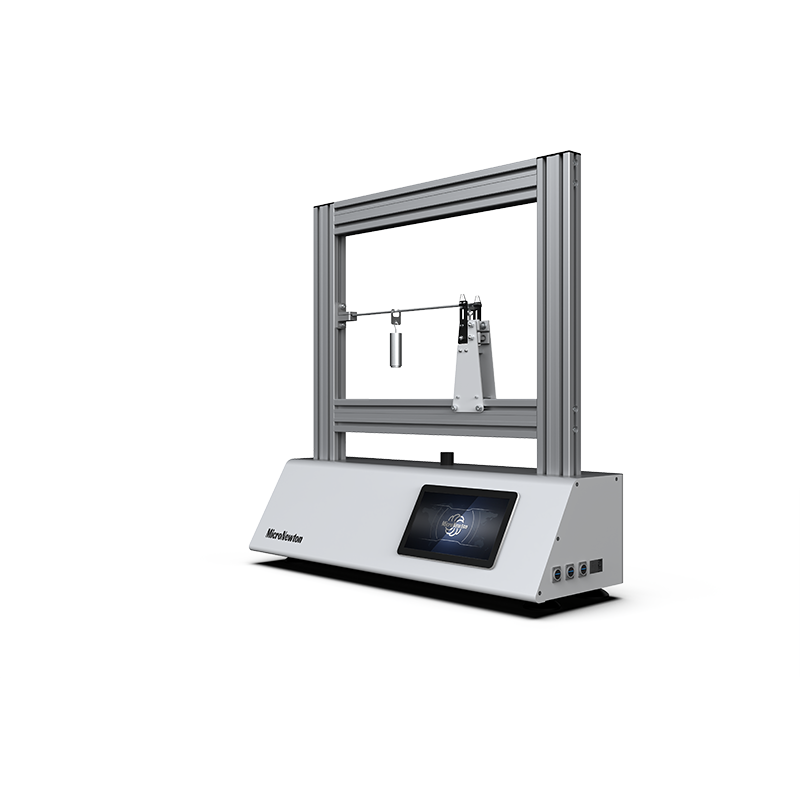
The MST13 single span statically indeterminate beam end internal force testing experimental device is a core equipment used in structural mechanics experiments to study the stress characteristics of continuous beams or fixed beams at both ends (single span multiple statically indeterminate).
The main feature of this device is the ability to directly measure the bending moment and shear force generated at the support (rod end) of the beam under load, thereby verifying the calculation results of force method, displacement method, and bending moment distribution method. It is a key teaching tool for understanding the redistribution of internal forces in statically indeterminate structures and the effects of support settlement/rotation.
Share:
Added to cart successfully
Experimental feature
1.Directly measuring the bending moment at the end of the rod: This is the most unique feature of the device. Convert the difficult to measure "bending moment" into measurable "force", so as to directly read the numerical value of fixed end bending moment or continuous beam support bending moment
2.Measure the end shear force of the pole and the reaction force of the support
3.Verify the solution of hyperstatic theory:
①Force method: Verify the calculation of excess constraint force (bearing bending moment).
Displacement method/bending moment distribution method: By measuring the node rotation angle (optional dial gauge) and the end bending moment of the rod, the accuracy of the stiffness coefficient, distribution coefficient, and transmission coefficient is verified
4.Draw internal force influence lines: Move loads, draw support bending moment influence lines and support reaction force influence lines, and determine the most unfavorable load position
5.Simulate support displacement and rotation: artificially create support settlement (vertical displacement) or support rotation, measure the additional internal forces generated thereby, and verify the sensitivity of statically indeterminate structures to foundation deformation
Product Attributes
|
Product Model |
MST13 |
Product Name |
Experimental device for testing internal forces at the end of a single span statically indeterminate beam |
|
Main Materials |
Aluminum alloy, stainless steel |
Dimensions |
≤1000×400×1000mm |
|
Product Weight |
≤30kg |
Operating Environment |
Room temperature, relative humidity ≤ 85% |
|
Input Power Supply |
Single phase three wire, 220V ± 5%, 50Hz/60Hz | ||
|
Required Modules |
None |
Optional Modules |
None |
Case Studies
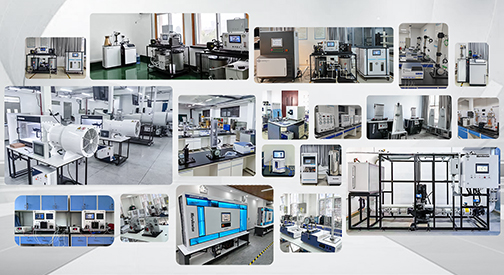
Integrated Thermal Fluids and Energy Laboratory at Zhejiang University of Technology
Flight Demonstration Wind Tunnel at Shandong University
Multi Energy Complementary Experimental Platform at Hebei University
Statically Determinate Beam Section Internal Force Testing Apparatus Delivered to Jining Vocational and Technical College
Self Developed Compression Bar Stability and Stress Testing Apparatus Delivered to Shandong Polytechnic University
01

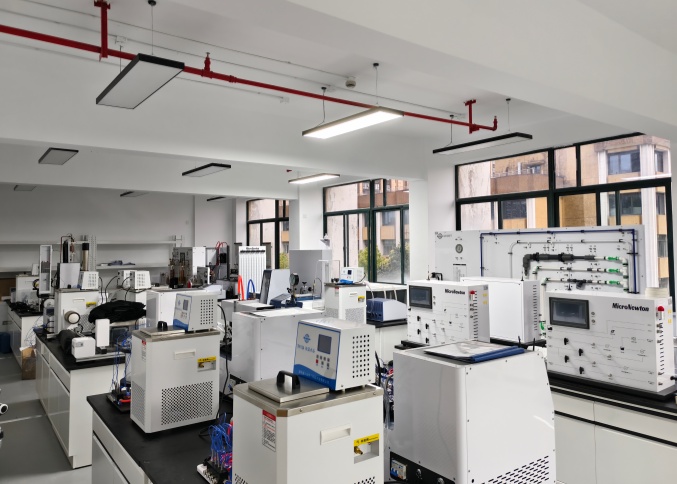
Integrated Thermal Fluids and Energy Laboratory at Zhejiang University of Technology
MicroNewton has equipped a five zone integrated teaching laboratory at Zhejiang University of Technology. The space covers heat transfer, thermodynamics, fluid mechanics, combustion, and multi energy systems with touchscreen stations for energy and power engineering programs.
Learn More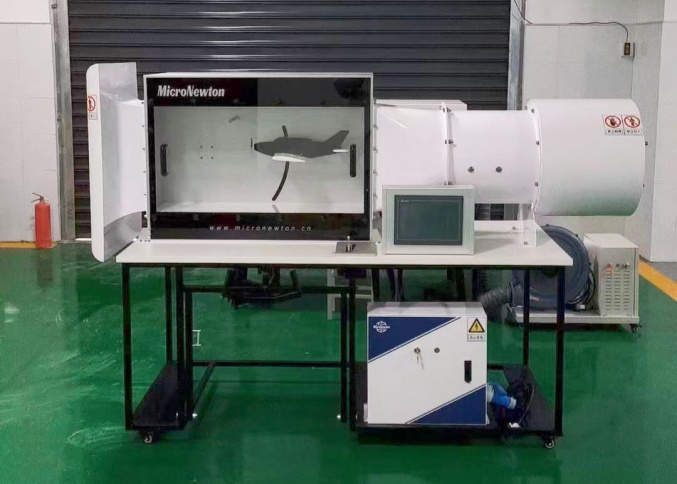
02
Flight Demonstration Wind Tunnel at Shandong University
MicroNewton has delivered a flight demonstration wind tunnel to Shandong University. Students operate a control stick to fly a NACA airfoil model in a subsonic flow, with a digital twin display showing lift, angle of attack, stall, and stability as they happen.
Learn More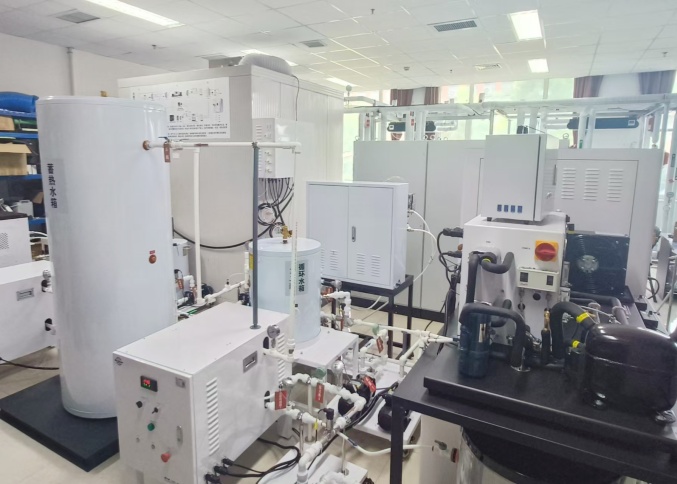
03
Multi Energy Complementary Experimental Platform at Hebei University
MicroNewton has delivered an integrated multi energy complementary experimental platform to Hebei University of Engineering. The platform combines solar, wind, hydrogen, thermal storage, and heat pump training equipment in one source, storage, and load network for student laboratories.
Learn More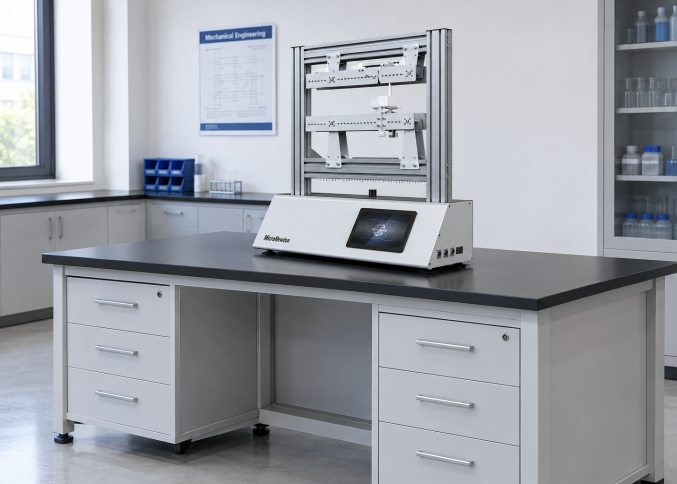
04
MicroNewton delivers self developed MST01 statically determinate beam section internal force testing apparatus to Jining Vocational and Technical College. This structural mechanics teaching equipment physically implements the section method to measure beam shear force and bending moment. It supports superposition principle verification and error analysis, suitable for civil engineering mechanical engineering and bridge related students at vocational and technical education institutions.
Learn More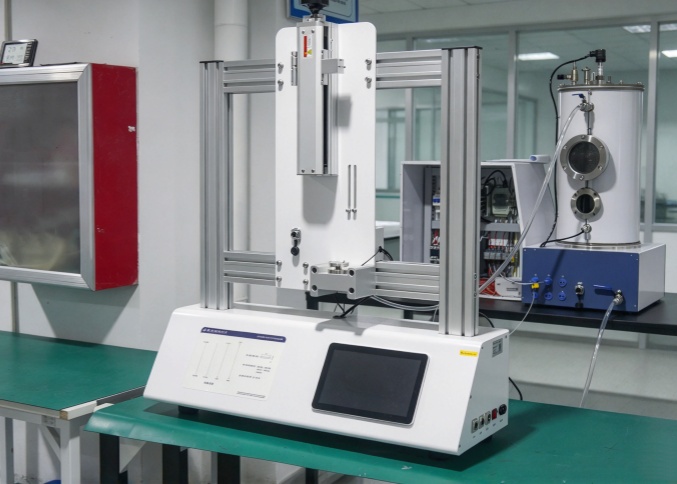
05
MicroNewton self developed MS10 compression bar stability and stress testing apparatus has been delivered to Shandong Polytechnic University. This teaching device enables students to observe column buckling, measure critical load and verify Euler formula with configurable end supports. It serves civil engineering and mechanical engineering students, helping them distinguish strength failure from stability failure and compare real experimental data against theoretical material mechanics formulas.
Learn MoreRelated Products