Share:
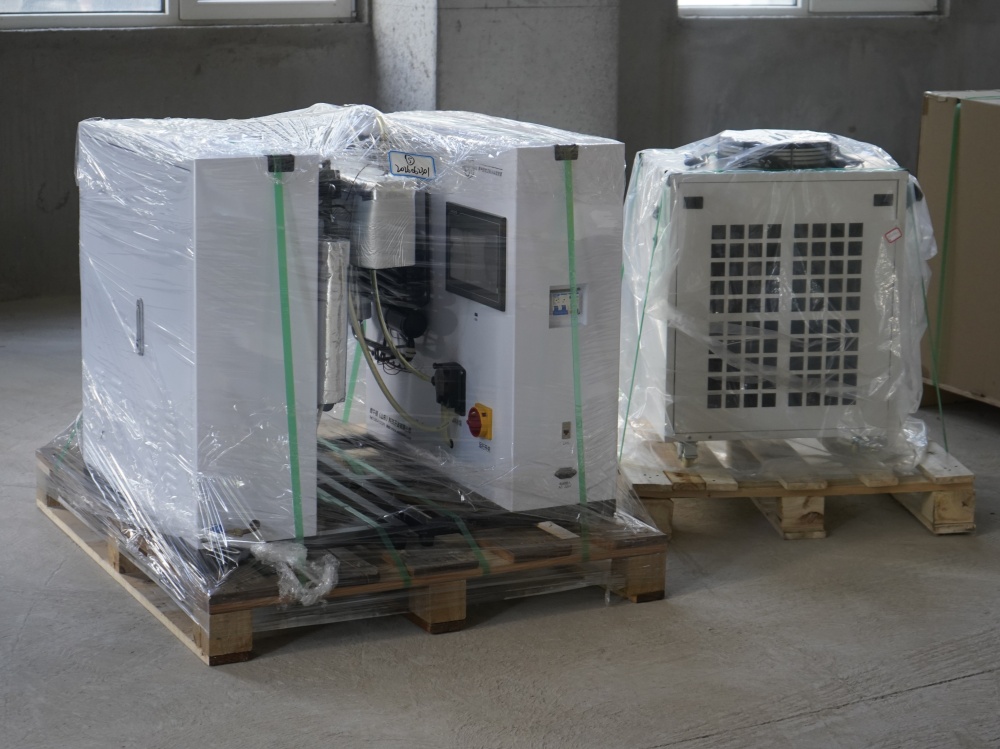
A R216 vapor absorption refrigeration system has been prepared and shipped for refrigeration laboratory teaching and hands-on experimental work. Built around an ammonia-water absorption cycle, the compact bench-top trainer lets engineering students observe how absorption refrigeration works and measure the key operating parameters that govern its performance.
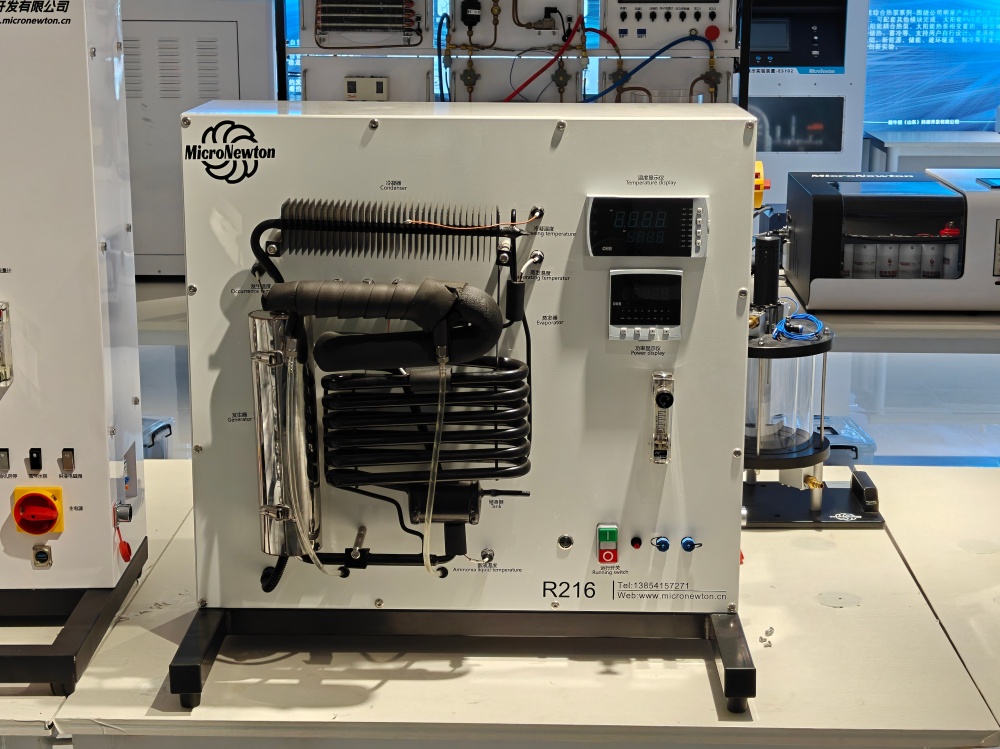
Built on a compact experimental bench, the R216 brings together the core components of an absorption refrigeration system — generator, absorber, condenser, evaporator, and storage vessel — all clearly visible so students can follow the cycle from one unit to the next.
The cycle itself is electrically driven. Generator heating power and load flow can both be adjusted to set different operating conditions, while digital temperature and power meters record temperatures at several points around the loop and the generator heater's output.
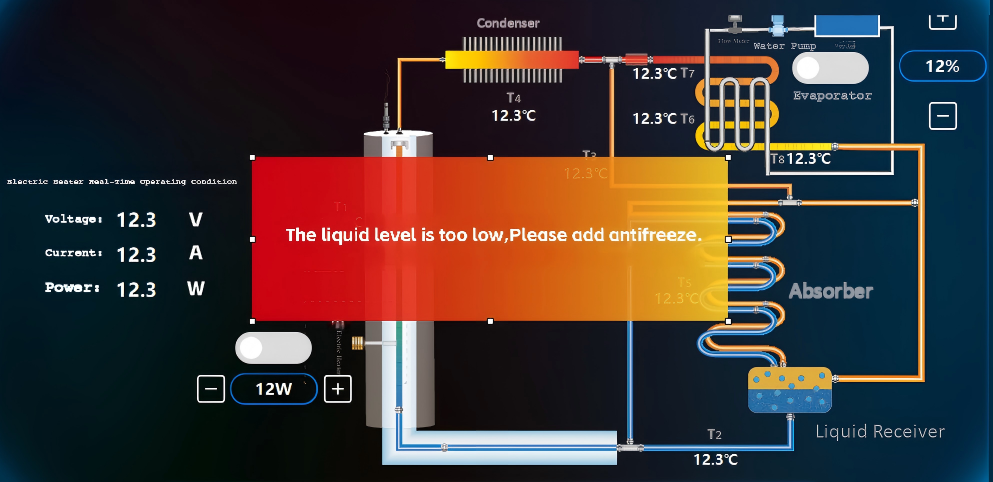
One experiment walks students through the refrigeration cycle principle, linking energy-conservation concepts with what they observe on the bench. A second focuses on the coefficient of performance (COP): students study how cooling capacity, generator heat input, and COP relate to one another, and how evaporation and condensation temperatures shape the results.
An RS485 interface sends experimental data to a PC for further processing, which suits lab reporting and longer-term data logging.
The trainer supports teaching across refrigeration engineering, thermodynamics, and heat transfer. Because the components are visible and the conditions are adjustable, students can connect textbook theory with real measurement.
It measures about 750 × 450 × 750 mm and weighs roughly 26 kg, so it fits a standard lab bench. Before dispatch it was checked against the agreed configuration and inspected for main components and instrumentation.
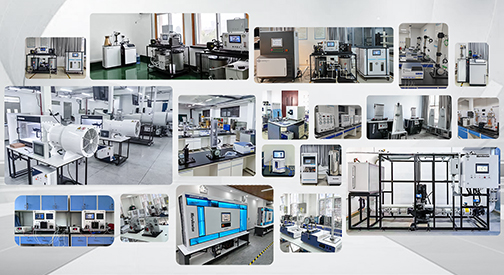
Beyond this R216 system, related lab equipment in refrigeration, heat transfer, fluid mechanics, and energy systems can be configured to match different practical teaching courses.