Share:
A group of university students from Shandong University visited MicroNewton for a learning and technical exchange focused on energy storage technology. During the visit, students explored several experimental systems covering different energy storage technologies, gaining a closer understanding of how energy can be stored, converted, released, and utilized in practical engineering applications.
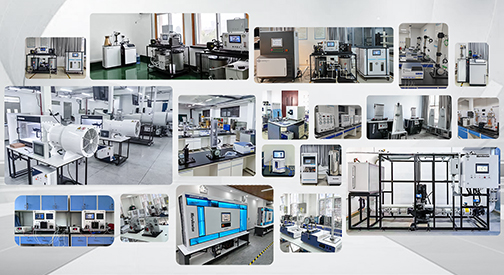
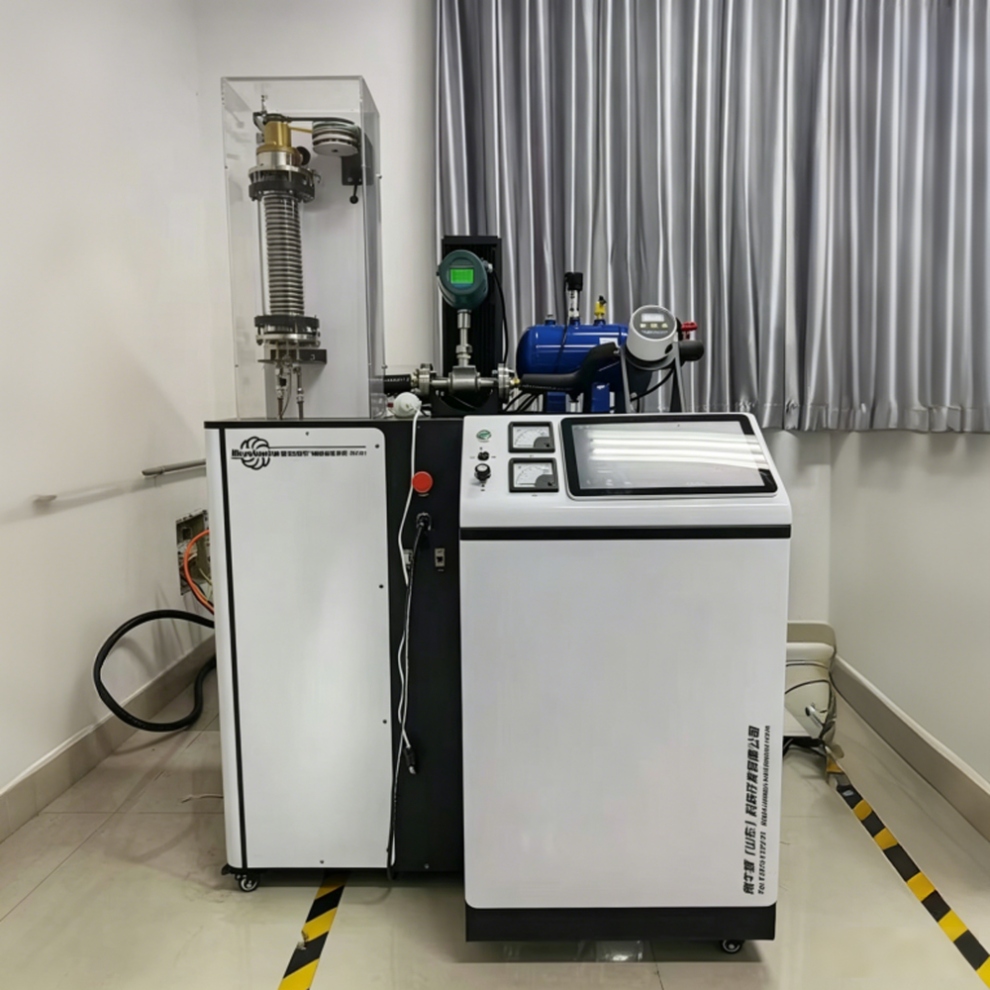
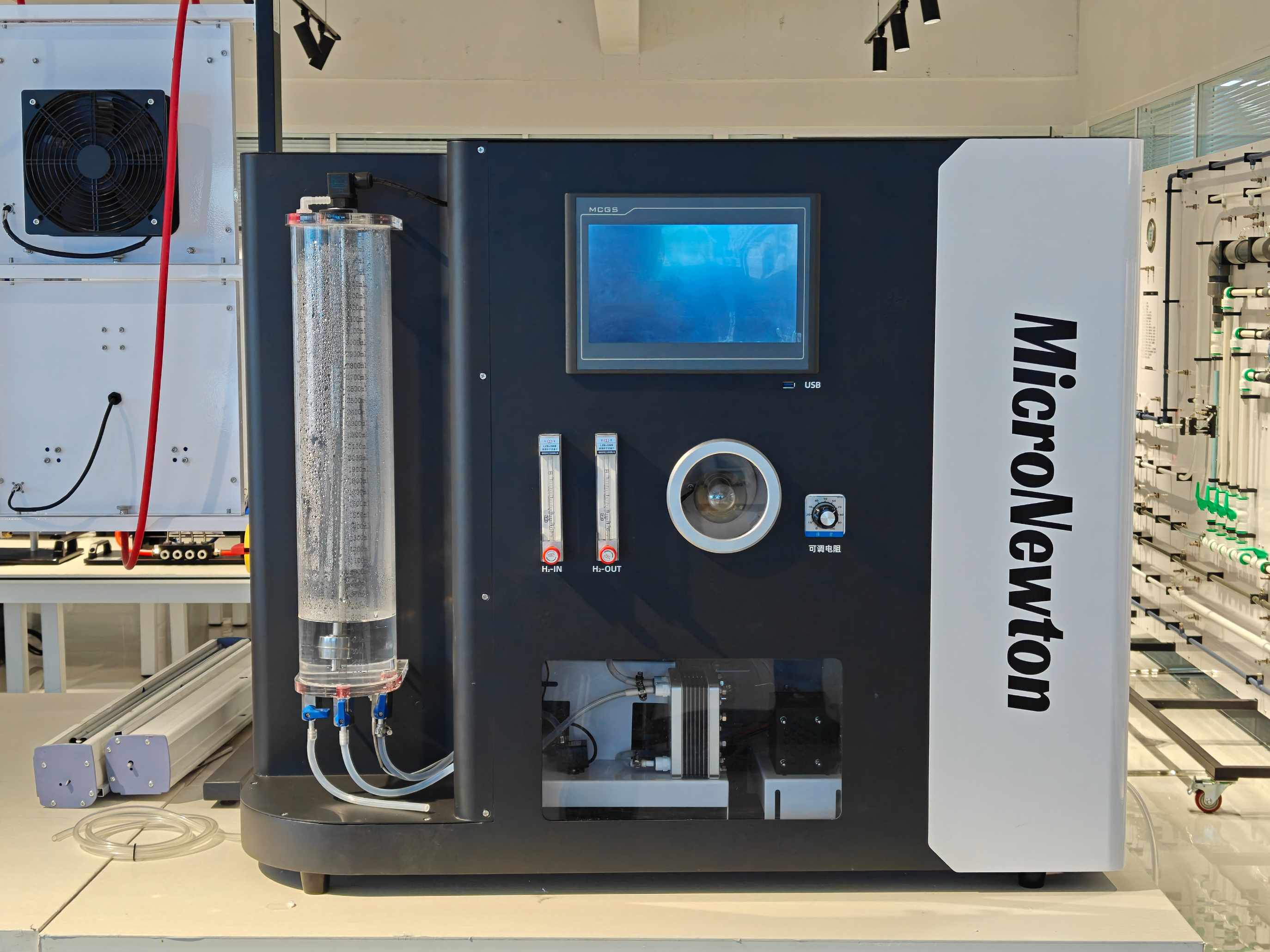
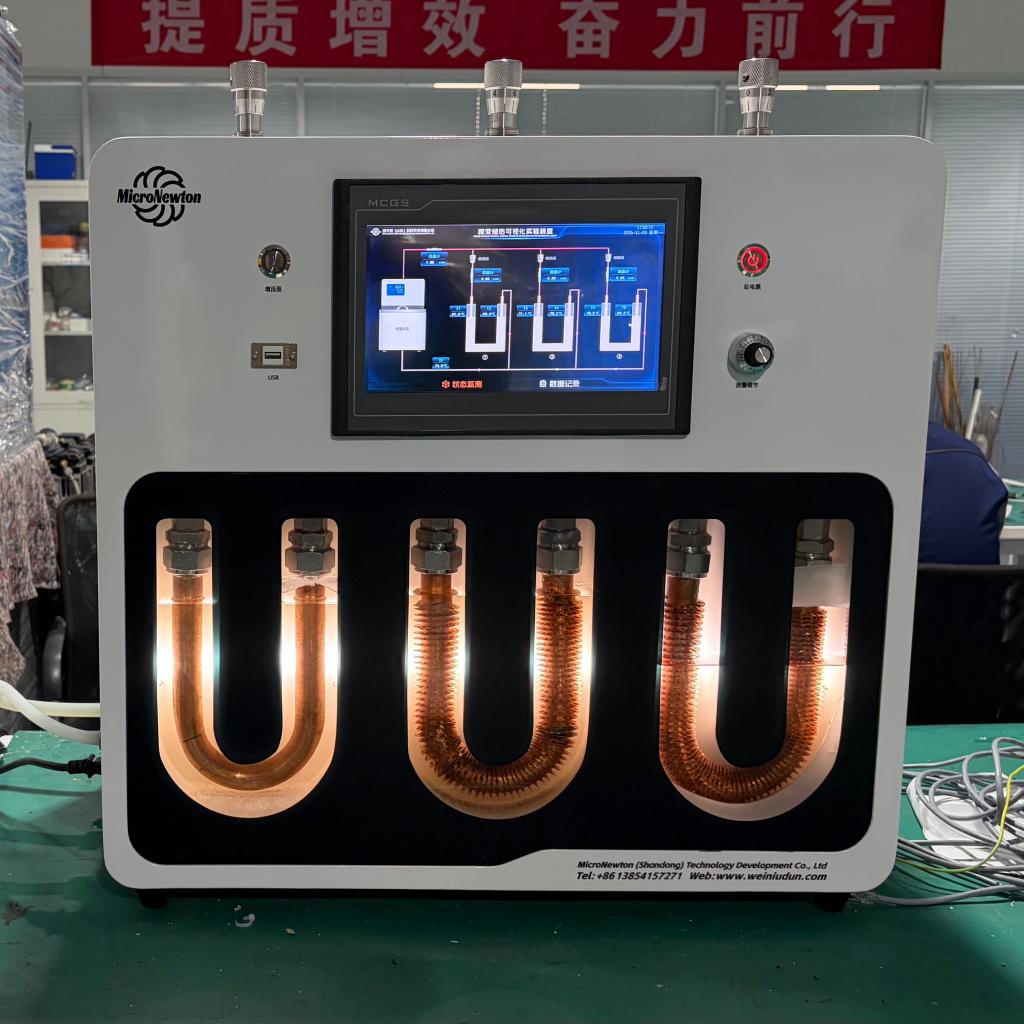
The visit included demonstrations and introductions to Electrolytic Hydrogen Fuel Cell Device, Small Flywheel Energy Storage Experimental System, Micro Compressed Air Energy Storage Experimental System, Phase Change Energy Storage Experimental System, and other energy storage laboratory equipment. These systems provide different approaches to energy storage and conversion, helping students compare the principles and characteristics of various technologies through practical equipment.
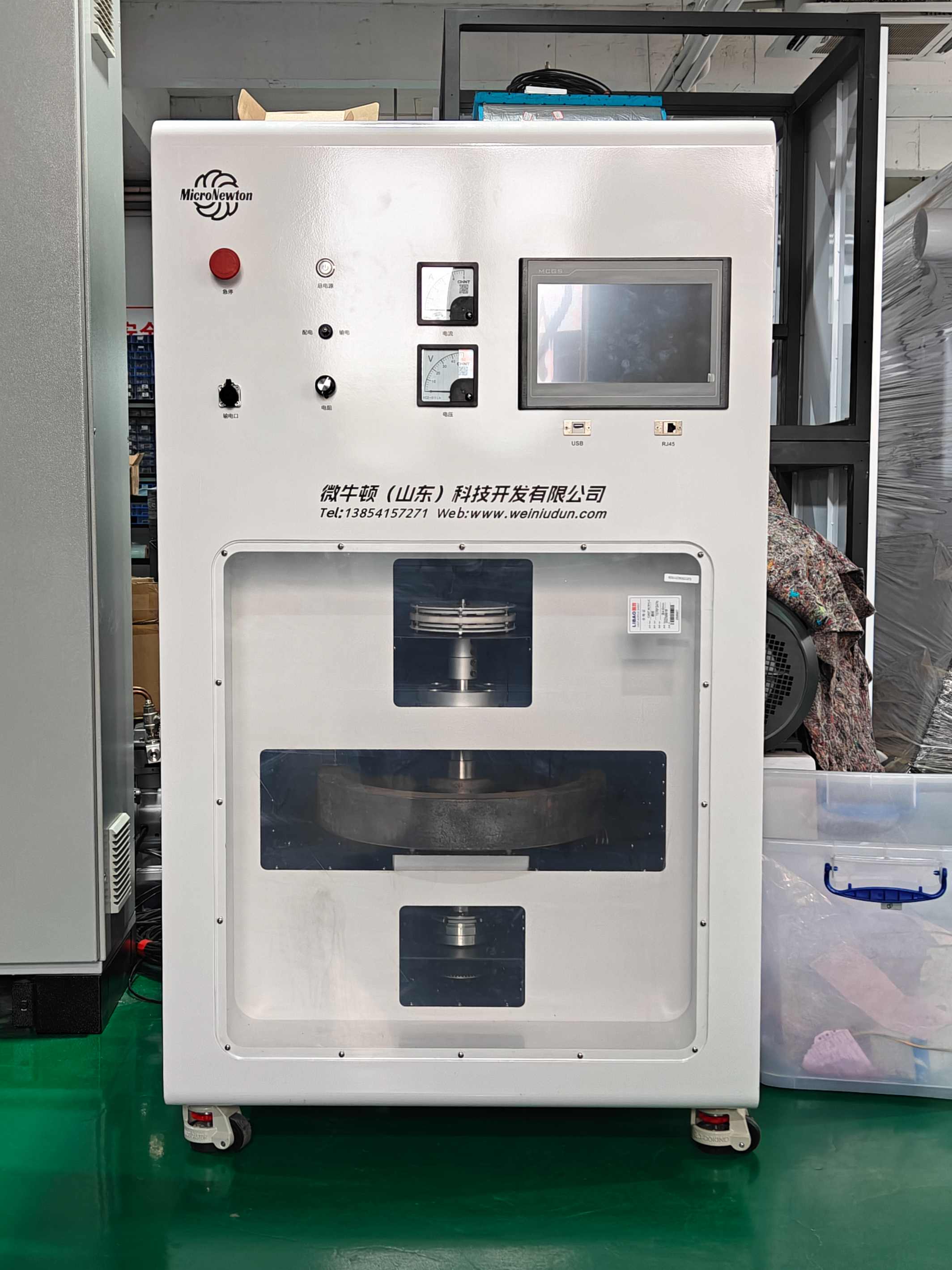
As one of the featured systems, the Small Flywheel Energy Storage Experimental System demonstrates energy storage based on mechanical motion. During the energy storage process, electrical energy drives a motor to accelerate the flywheel, converting electrical energy into rotational kinetic energy. When energy is released, the rotating flywheel drives a generator to convert the stored mechanical energy back into electrical energy.
Through the experimental demonstrations, students can observe the complete process of energy storage, energy conversion, and energy release. The system supports experiments on flywheel energy storage principles, storage efficiency, and power generation efficiency, allowing students to work with real experimental data rather than learning the concepts only from theoretical models.
The energy storage laboratory equipment also helps students study important engineering concepts such as rotational kinetic energy, energy conversion efficiency, power, rotational speed, and energy losses. By monitoring parameters such as speed, voltage, current, and power, students can record and analyze changes during different operating stages.
This practical learning experience is valuable for students majoring in Energy and Power Engineering, New Energy Engineering, Electrical Engineering, Mechanical Engineering, and related disciplines. It helps develop experimental operation, measurement, data analysis, engineering problem-solving, and innovative research skills. The product documentation also highlights the use of experiments to investigate factors affecting system efficiency and encourage students' innovation and exploratory abilities.
Through this visit and exchange, students gained a more practical understanding of energy storage technologies and energy conversion systems, while the company had an opportunity to share its experience in developing laboratory equipment for energy education and experimental research. The activity reflects the importance of combining energy storage theory with hands-on laboratory learning in modern engineering education.