Share:
The Rankine cycle is a fundamental thermodynamic cycle used to study how heat is converted into mechanical work and electricity in steam power generation. A basic cycle includes steam generation, turbine expansion, condensation, and feedwater pumping. For engineering thermodynamics education, understanding these processes helps students connect energy balance, heat transfer, work output, and thermodynamic efficiency with the operation of a steam power plant. The supplied Thermal Power Plant with Steam Turbine provides a laboratory platform for this connection.
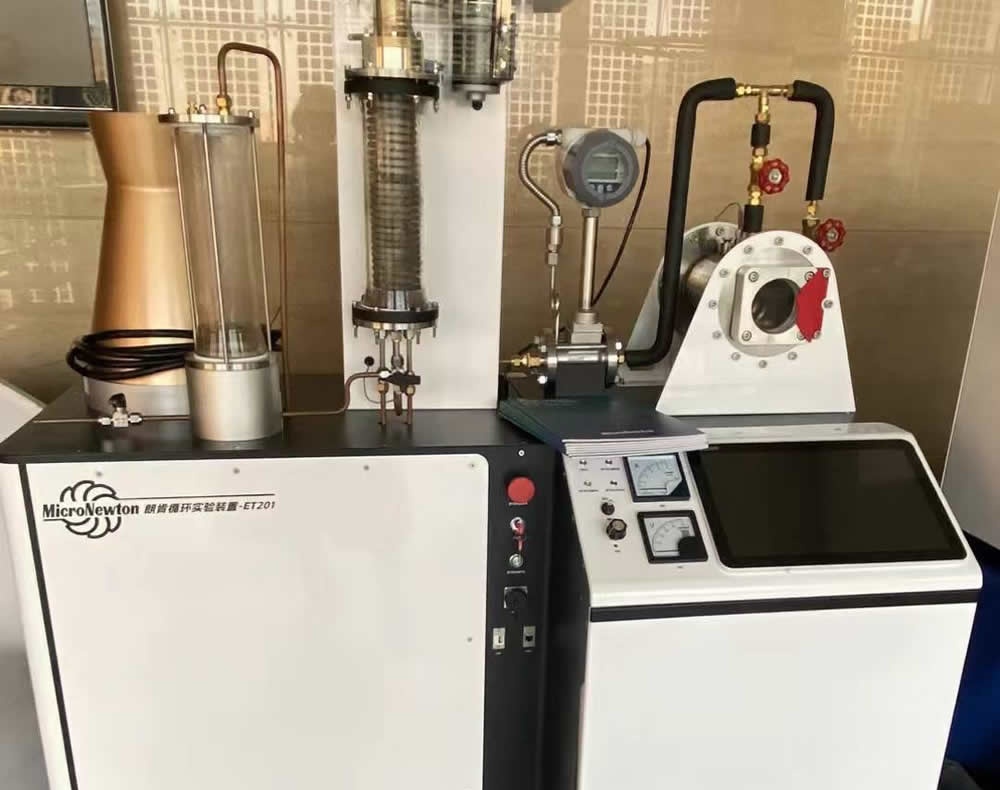
In a Rankine cycle, water is heated in a steam generator to produce steam. The steam enters the steam turbine, expands, and produces mechanical work that can drive a generator. The exhaust steam then enters the condenser, where heat is transferred to cooling water before the condensate returns to the cycle. These processes form the basic operating sequence of a steam power plant.
The experimental device integrates the main components of this process, including a steam boiler, turbine generator, condenser, water collector, and cooling tower. It can therefore be used not only to demonstrate the Rankine cycle, but also to study boiler energy conversion, steam pressure and volume relationships, condensate reheating and reinjection, and the operation of a steam power plant cycle.
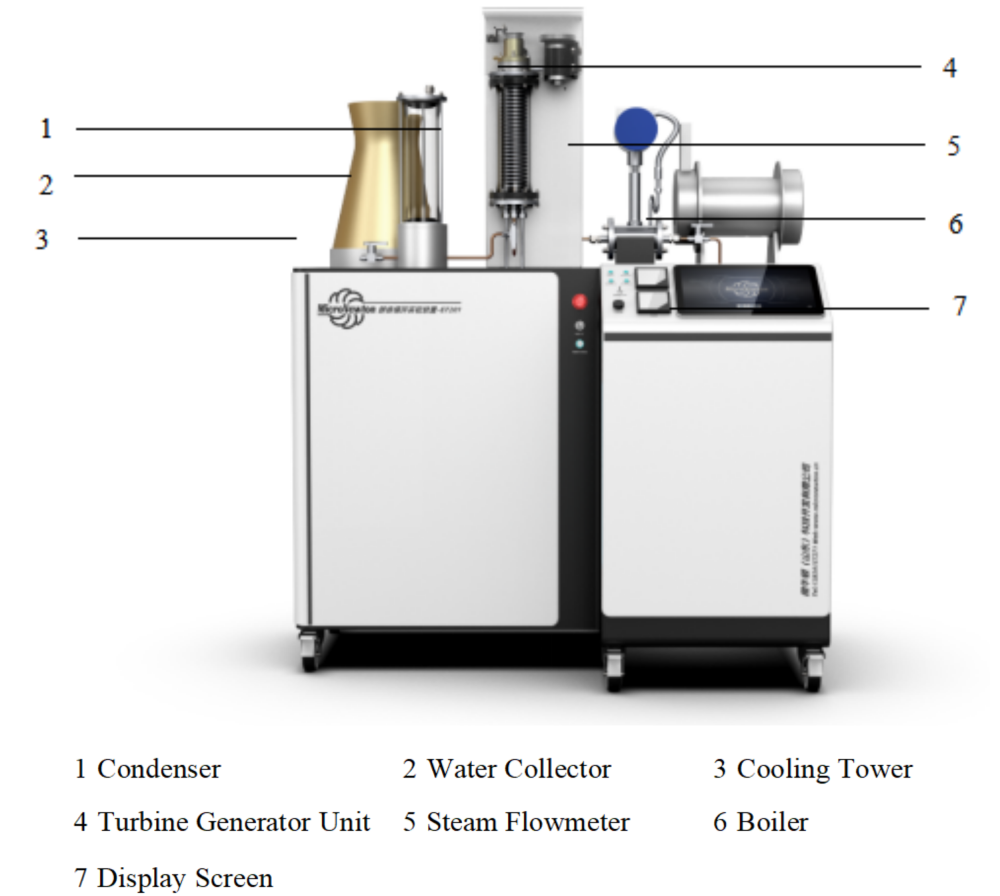
A major value of Rankine Cycle Experimental Equipment is that students can investigate how operating conditions influence thermodynamic performance. The system supports a Rankine cycle demonstration and experiments involving different exhaust pressures, turbine relative internal efficiency, and Rankine cycle thermal efficiency.
By changing turbine exhaust pressure and measuring operating parameters, students can calculate the electrical to thermal ratio and analyze the influence of back pressure on the system. The experiment also allows students to investigate the difference between actual and ideal turbine processes and understand how pressure, temperature, steam flow, and enthalpy are related to turbine performance.
The Rankine Cycle Experiment provides a practical way to study thermal efficiency rather than treating it only as a theoretical equation. The thermal efficiency experiment evaluates how effectively the system converts supplied thermal energy into useful net output power. Experimental measurements include turbine pressure, steam temperature, steam flow, condenser conditions, and generator output.
Students can therefore study important engineering thermodynamics concepts such as Rankine cycle efficiency, turbine internal efficiency, steam properties, enthalpy, energy conversion, heat transfer, pressure temperature relationships, and energy balance. The equipment also supports calculation and experimental data analysis, allowing students to compare different operating conditions and develop a clearer understanding of practical thermal systems.
The Thermal Power Plant with Steam Turbine is particularly relevant to students studying Energy and Power Engineering, Thermal Engineering, Mechanical Engineering, Energy Engineering, and related disciplines. Beyond understanding the Rankine cycle, students can practice equipment operation, parameter measurement, thermodynamic calculation, experimental design, data processing, and engineering analysis.
The experimental system is also designed for comprehensive, design based, and independent experiments. Students can develop their own experimental procedures after understanding the equipment and experimental principles, supporting scientific thinking and practical research skills.
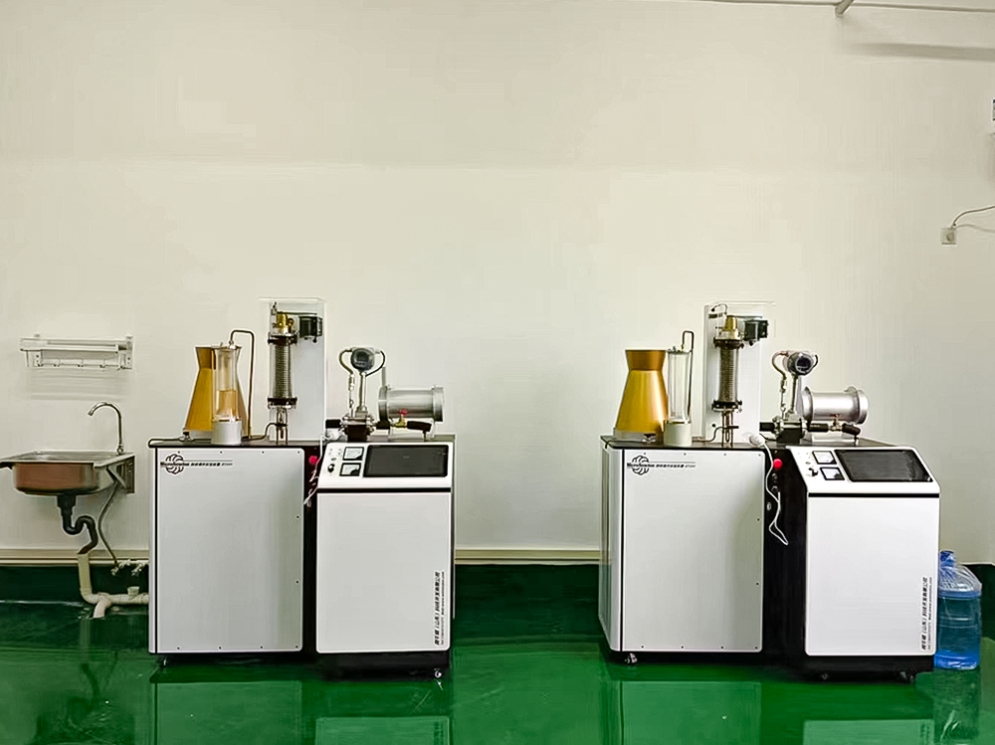
For engineering thermodynamics laboratories, the Thermal Power Plant with Steam Turbine provides a direct connection between the theoretical Rankine cycle and the operation of a steam power system. Through structured Rankine cycle experiments, students can observe energy conversion, analyze thermodynamic performance, and develop practical skills needed for further study in thermal systems and power engineering.