Share:
Introduction
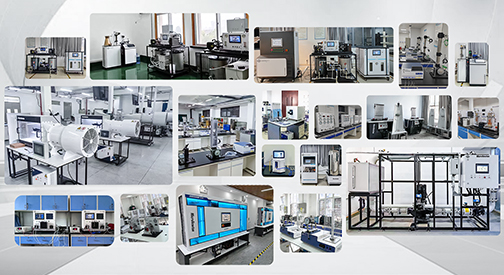
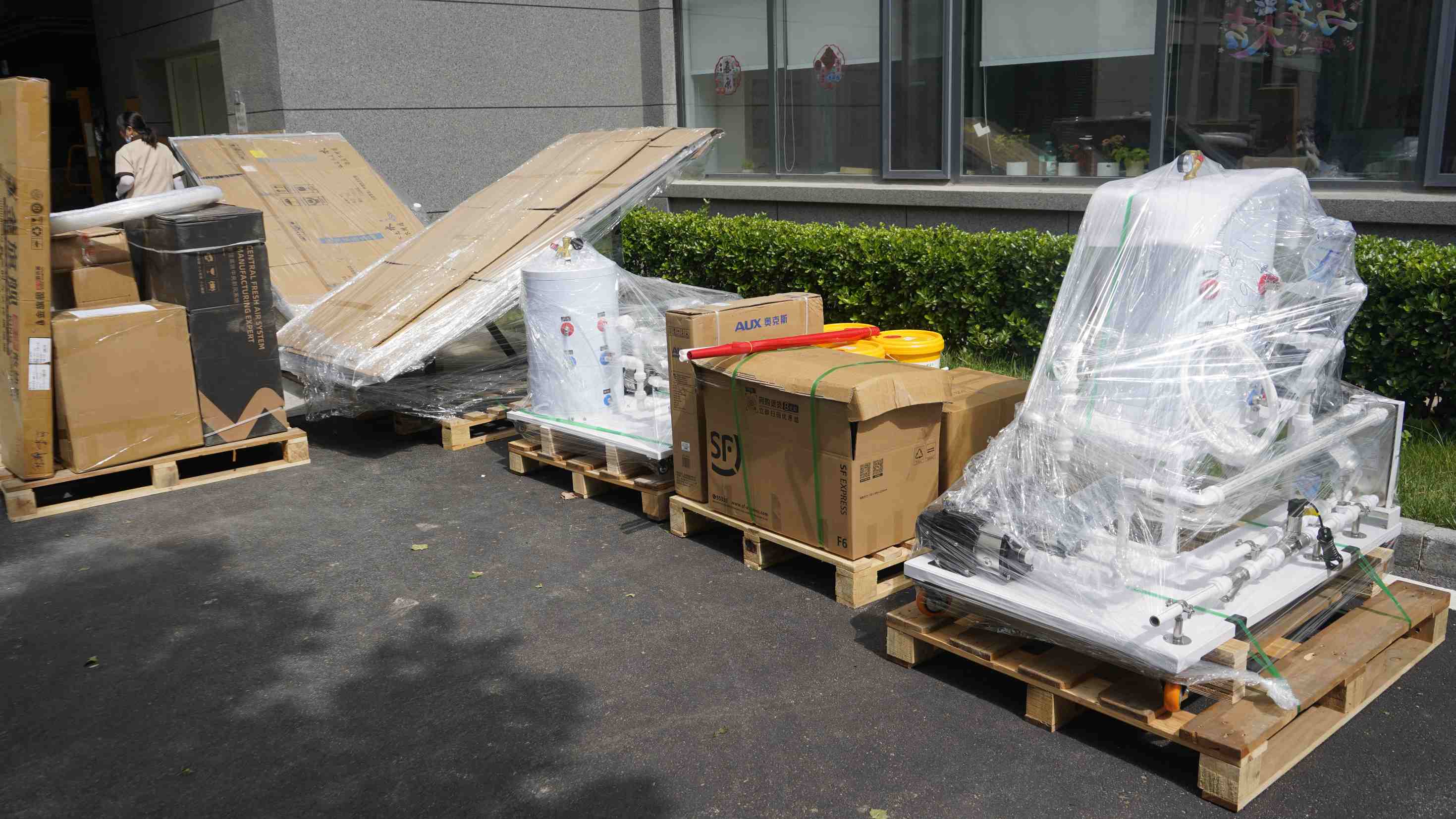
We recently completed shipment of a full multi-source complementary energy experimental system for university energy power engineering laboratories. This complete lab setup integrates solar panels, phase change energy storage experimental units, Water-to-Air Heat Exchangers Apparatus, insulated hot water storage tank, heat exchangers, circulating water pumps and data acquisition & control system, supporting comprehensive teaching and research for renewable energy and multi-energy coupling projects.
Among these core modules, the R306 Water-to-Air Heat Exchangers Apparatus stands out as the key teaching research unit. It enables switching among air source, water source and soil source heat pump working conditions within one single bench, delivering intuitive thermodynamic cycle demonstration and measurable heat pump performance data for engineering thermodynamics, refrigeration principle and heat pump technology courses.
What Is Water-to-Air Heat Exchangers Apparatus?
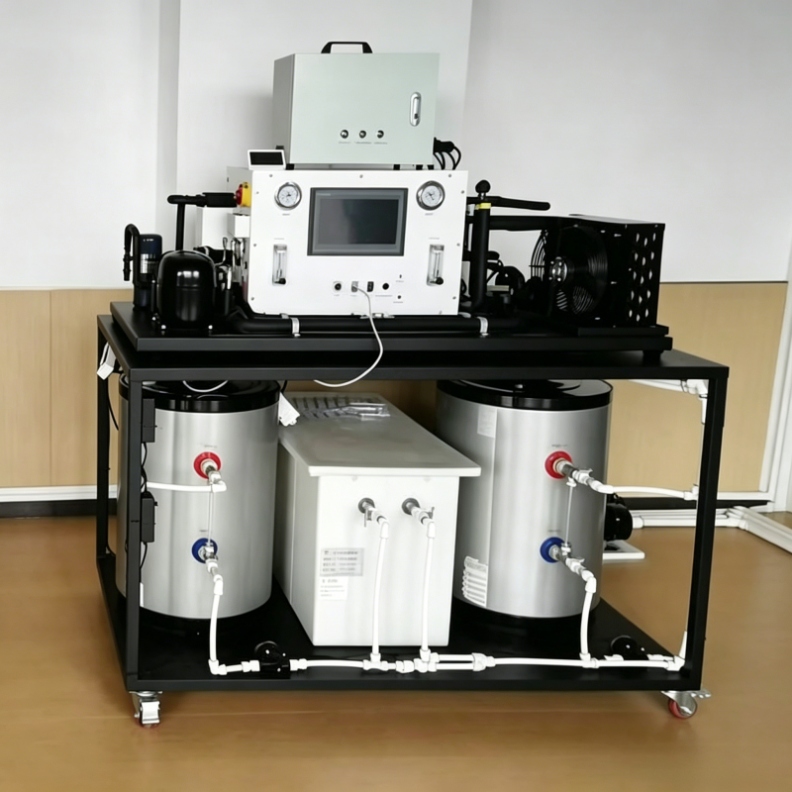
The Water-to-Air Heat Exchangers Apparatus follows the principle of vapor compression refrigeration cycle. Based on the second law of thermodynamics, it consumes electric work to extract heat from three different low temperature heat sources: ambient air, water medium and soil, then transfers thermal energy to high temperature sides to realize heating function.
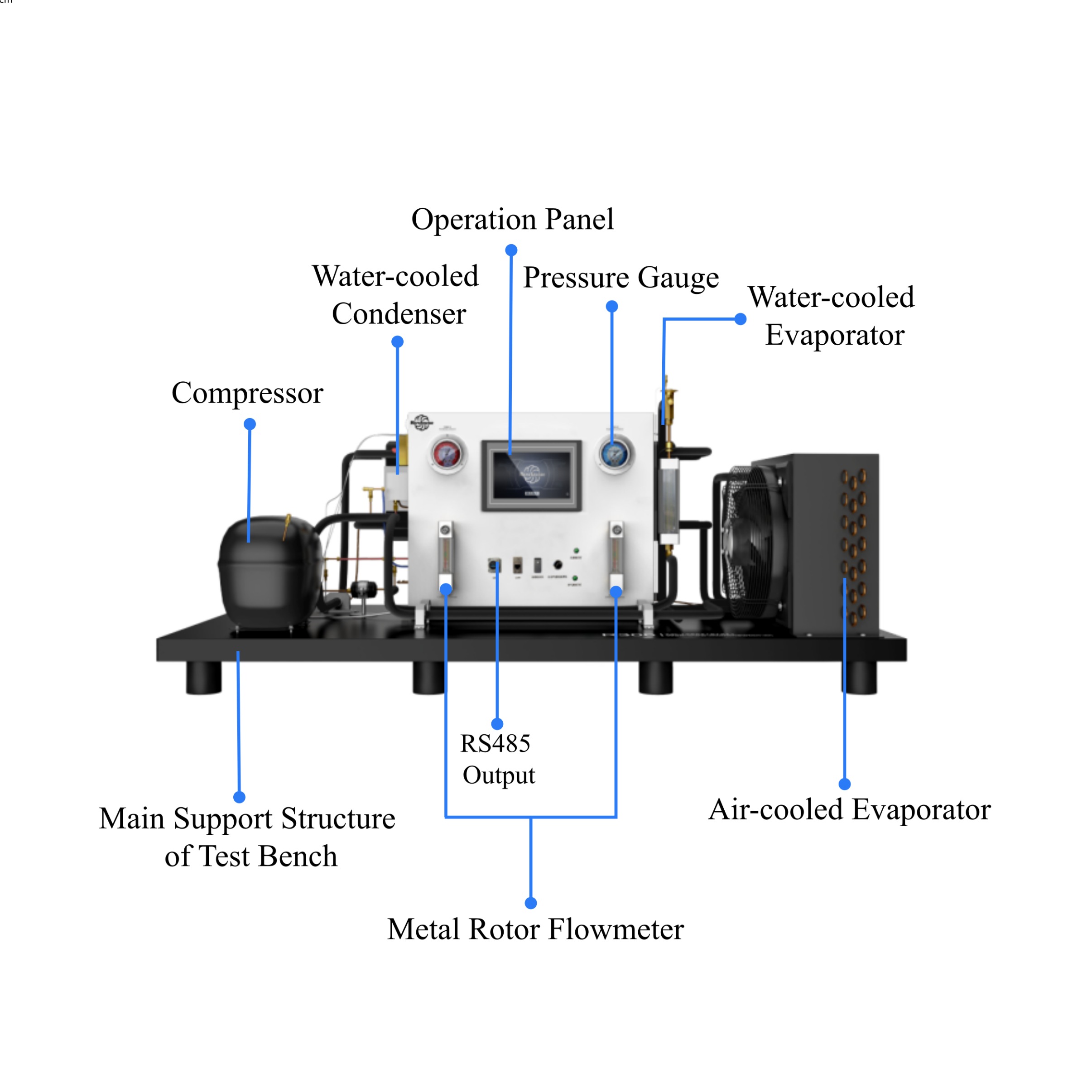
The system adopts environment friendly R134a refrigerant with zero ODP value without damaging atmospheric ozone layer. Main circulation components are exposed and neatly arranged on the experimental table. Users can visually observe the full heat pump working loop. Multiple sensors collect real time data including refrigerant pressure, temperature, flow rate, water temperature and compressor power, so students can complete quantitative calculation and comparative analysis instead of only qualitative demonstration.
Different from single source heat pump experimental devices, this bench realizes fast working condition switching via valve groups. Operators can switch between air source, water source and soil source heat pump modes without changing hardware configuration, greatly expanding experimental contents for university labs.
The experimental platform consists of refrigerant circulation loop, multi-source evaporator assembly, condenser unit, adjustable electric heating modules, measuring instruments and human machine control panel.
|
Parameter |
Specification |
|
Operating environment |
0 °C < Temperature < 100 °C |
|
Compressor rated power |
276 W (under ASHRAE-LBP conditions) |
|
Cooling capacity |
304.8 W (under ASHRAE-LBP conditions) |
|
Refrigerant |
R134a |
|
Refrigerant charge |
1 kg |
|
Condensing heat transfer area |
0.47 m² |
|
Air-source heat transfer area |
4.5 m² |
|
Water-source heat transfer area |
0.47 m² |
|
Soil heat transfer area |
1.8 m² |
|
Maximum outlet water temperature |
75 °C |
|
Expansion valve |
Thermostatic expansion valve |
|
Pressure gauge (low-pressure side) |
-1 to 16 bar |
|
Pressure gauge (high-pressure side) |
-1 to 35 bar |
|
Refrigerant flowmeter |
0 to 2.6 L/min |
|
Cooling water flowmeter |
0 to 5 L/min |
|
Chilled water flowmeter |
0 to 5 L/min |
|
Thermocouple |
Type T; resolution 0.1 °C |
|
Power supply |
220 V, 50 Hz, single-phase |
|
Total power |
800 W |
|
Operating noise |
≤ 50 dB |
|
Weight |
Approx. 59 kg |
|
Dimensions (L × W × H) |
1300 mm × 650 mm × 500 mm |
|
Electric auxiliary heating power (water source) |
0 to 2000 W (adjustable) |
|
Electric auxiliary heating power (soil source) |
0 to 1200 W (adjustable) |
|
Water tank volume |
2 tanks, 60 L each |
Designed for energy and power engineering, mechanical engineering and building environment majors, the Water-to-Air Heat Exchangers Apparatus supports a full set of standard experiments:
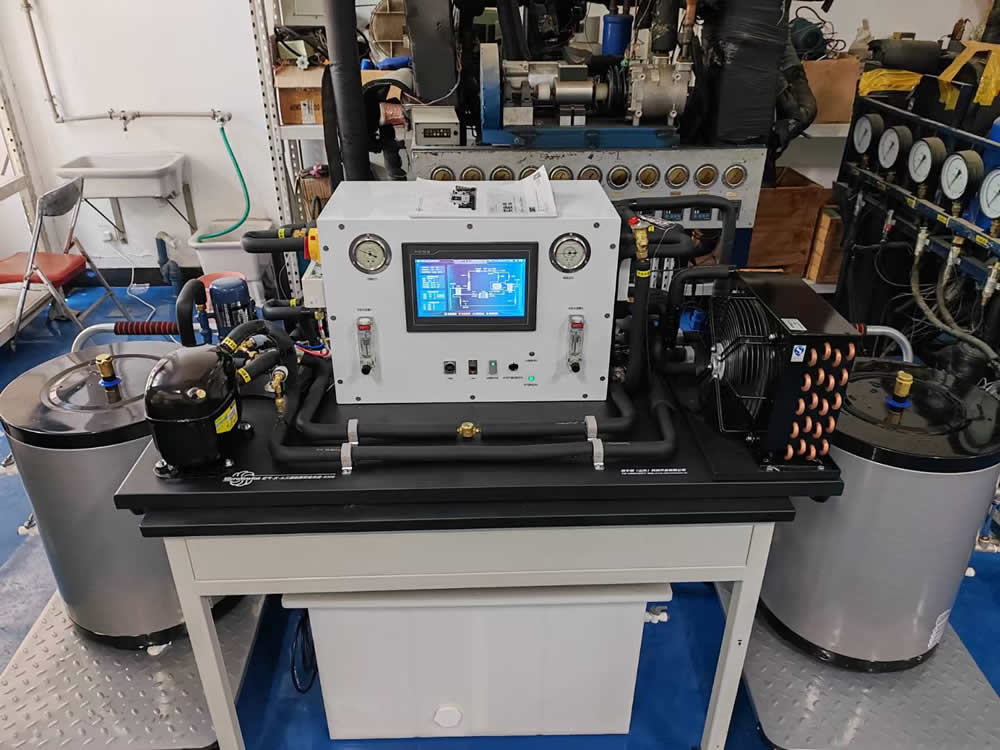
Students can record pressure, temperature, flow and power data, complete formula calculation, compare performance differences among air / water / soil source modes, and deepen understanding of reverse Carnot cycle, evaporator condenser heat transfer and renewable heat utilization principles.
Key Points When Selecting Water-to-Air Heat Exchangers Apparatus
When purchasing Water-to-Air Heat Exchangers Apparatus for university laboratories, focus on these practical factors:
This delivered multi-source complementary experimental solution combines Water-to-Air Heat Exchangers Apparatus with solar panel simulation unit, phase change energy storage experiment system, insulated heat storage water tank, heat exchangers, circulating water pumps and unified data acquisition control system.
All hardware is delivered with test reports, operation manuals and experimental guidance documents. Our technical team provides on site installation, commissioning and teacher training services.
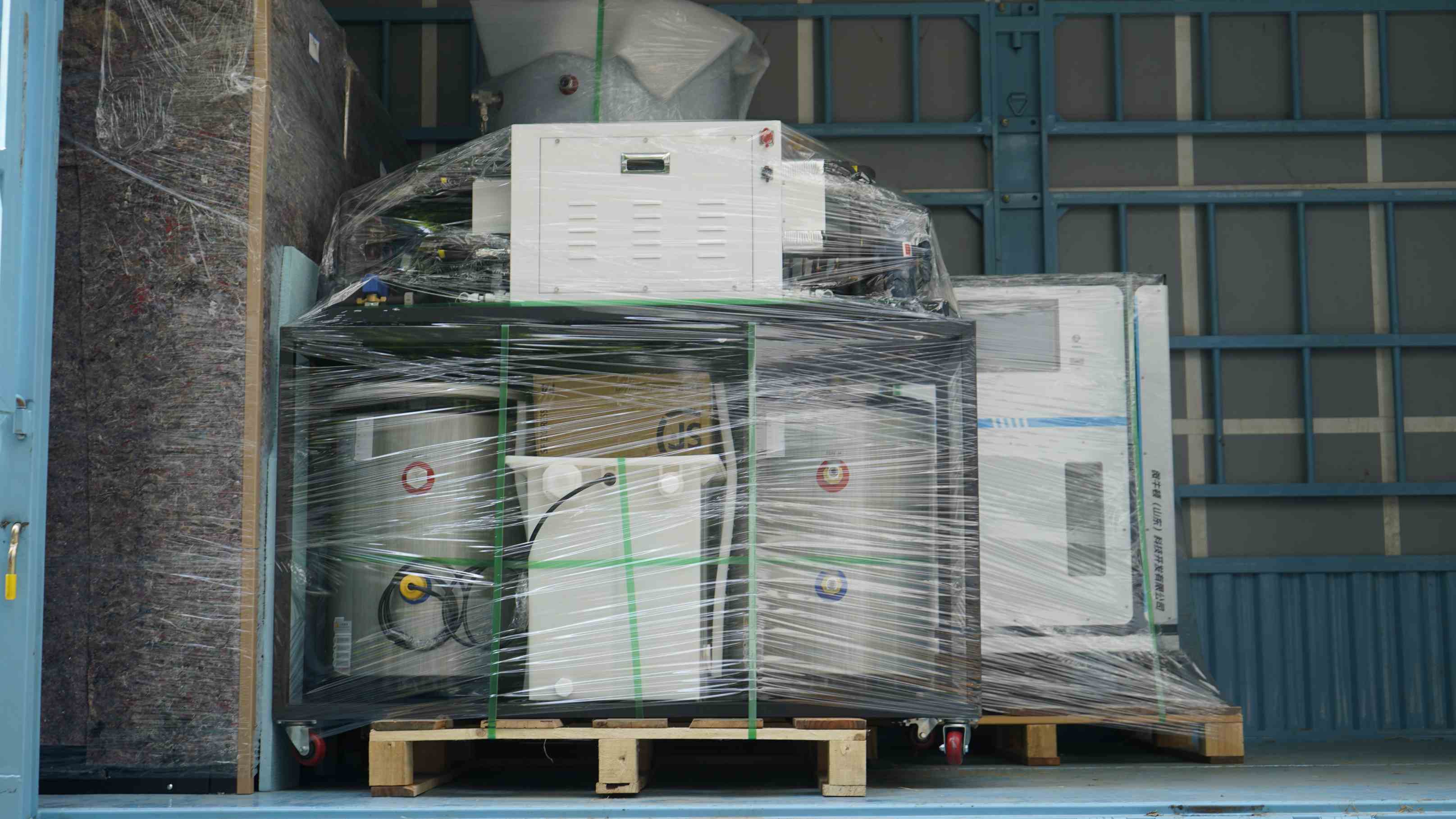
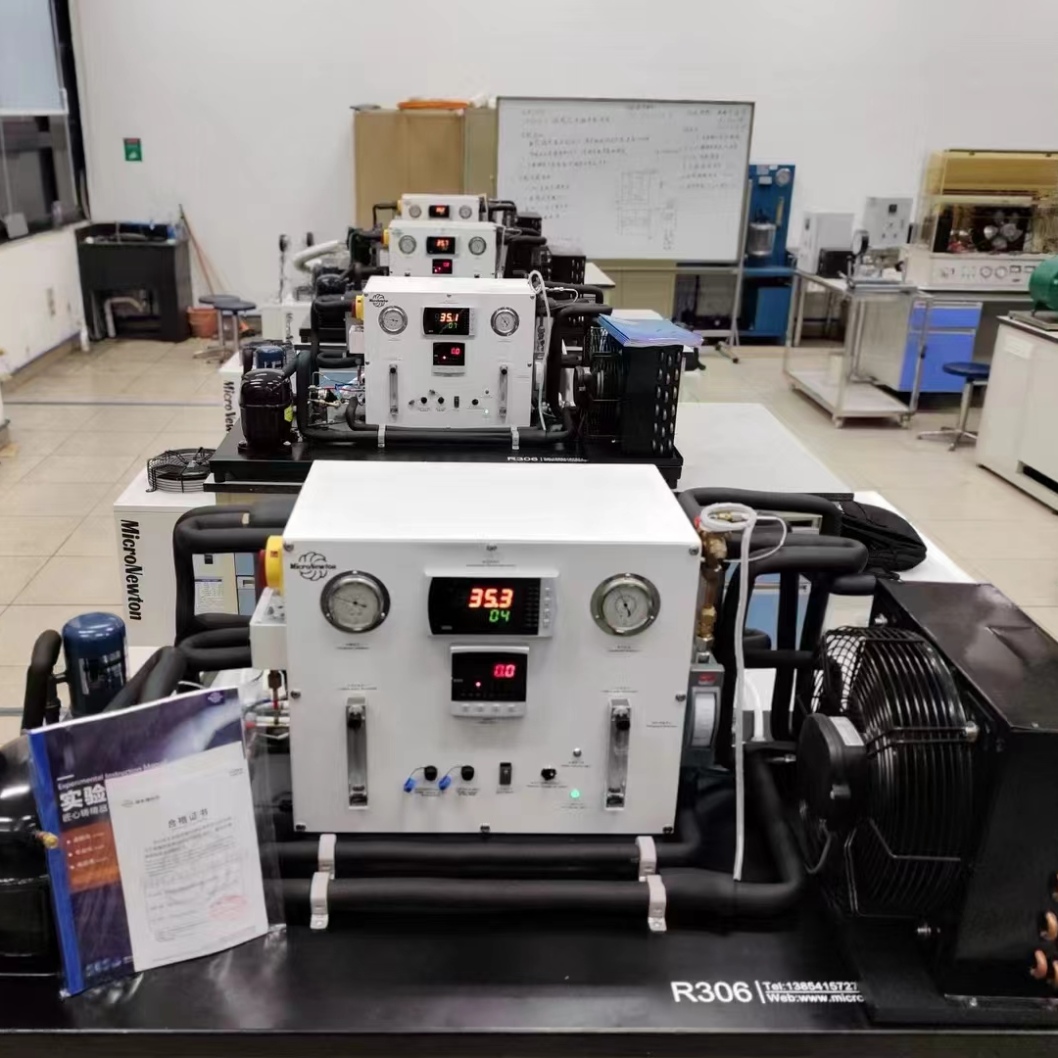
Every university laboratory has different curriculum requirements, site space and research objectives. The multi-source complementary energy experimental system can be configured flexibly. You can select standalone Water-to-Air Heat Exchangers Apparatus, or build a full set integrated lab platform matched with solar, phase change storage and data acquisition modules.
Fill in your lab requirements including target experiments, site condition and power supply condition. Our engineering team will provide custom technical proposal and quotation.