Share:
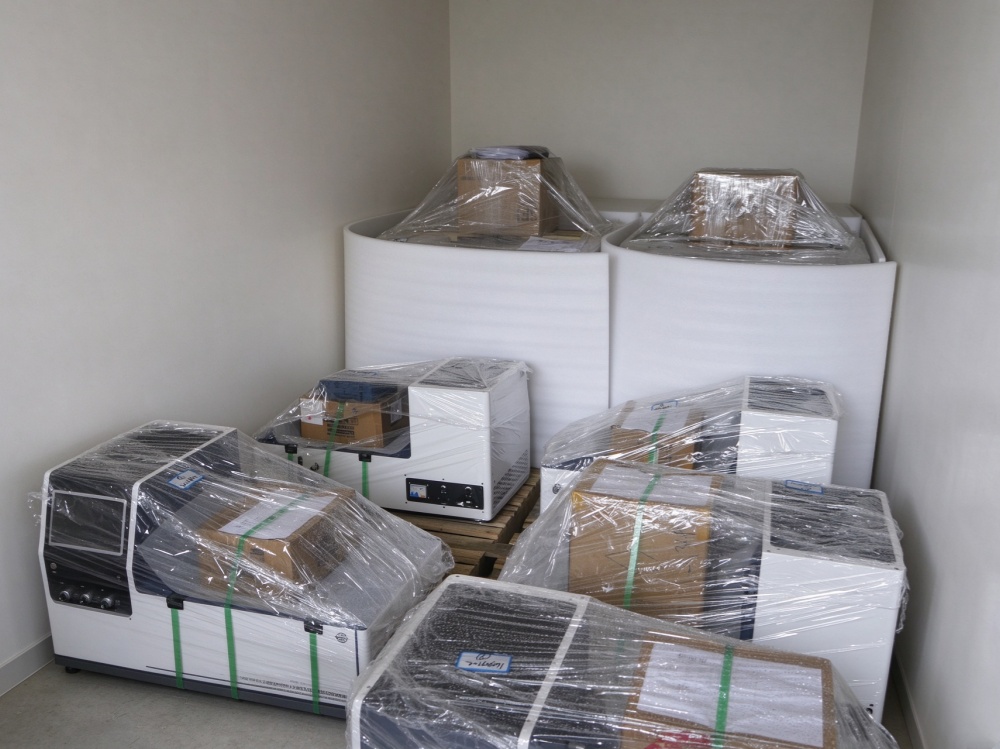
Dalian, China: Our workshop has loaded and shipped a batch of heat exchanger training rigs together with a vapor compression refrigeration training unit to Dalian Maritime University. The order is now on its way to the campus laboratory, where it will support marine engineering and power engineering teaching.
A maritime university is a natural home for this combination of equipment. Aboard a ship, heat exchangers recover waste heat from the engine room, and refrigeration plants keep cargo and galleys cold. Both topics sit at the heart of thermal teaching for marine engineers, so shipping the two product families together lets students see the complete thermal system of a vessel in one laboratory.
The heat exchanger series in this shipment covers the shapes students meet in practice. A double pipe module, a plate module, a shell and tube module, a jacketed vessel, and a finned tube coil module for water to air applications all connect to one common hot and cold water skid. Students run the same measurements on each unit: inlet and outlet temperature, flow rate, and pressure drop. They then calculate the overall heat transfer coefficient and compare counter flow with parallel flow using the log mean temperature difference method.
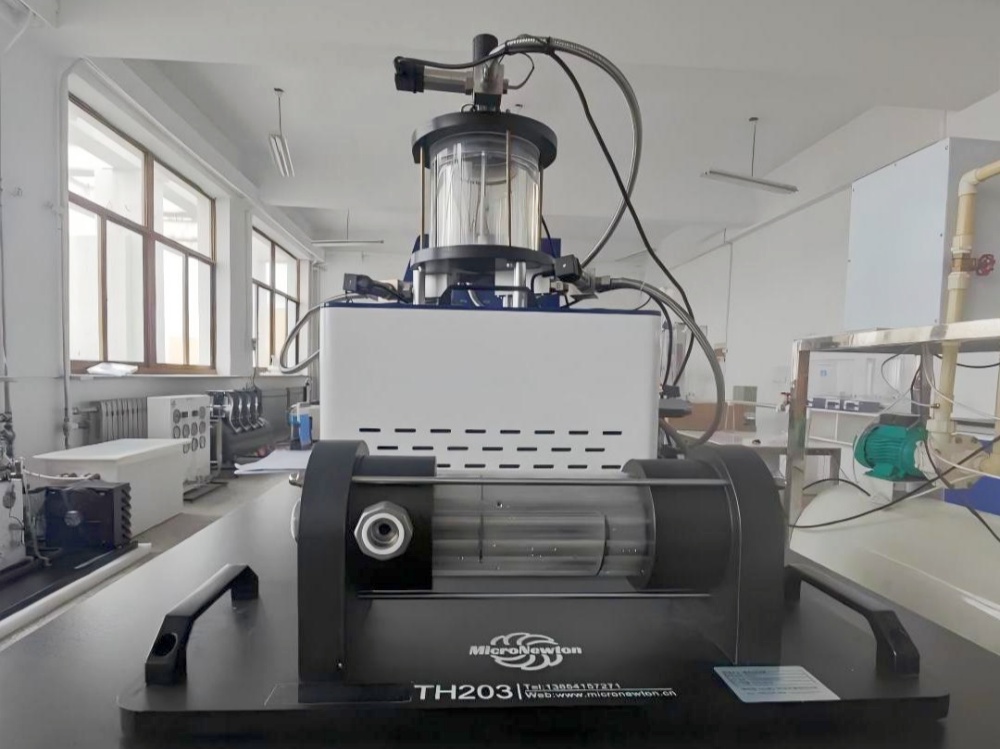
These experiments teach more than a single number. Students see why counter flow recovers more heat than parallel flow for the same area, why pressure drop climbs as flow rate goes up, and why a finned surface is needed on the air side. They also practice the energy balance of each stream, which links a textbook calculation to a real measurement.
Alongside the heat exchanger training rigs, the vapor compression refrigeration training unit brings the cold side to life. Students watch the four processes of compression, condensation, expansion, and evaporation on a visible trainer, read the pressure and temperature at each point, and plot the cycle on a pressure enthalpy diagram. They then estimate the coefficient of performance from measured compressor power and cooling capacity, and study how condenser and evaporator conditions change that number.
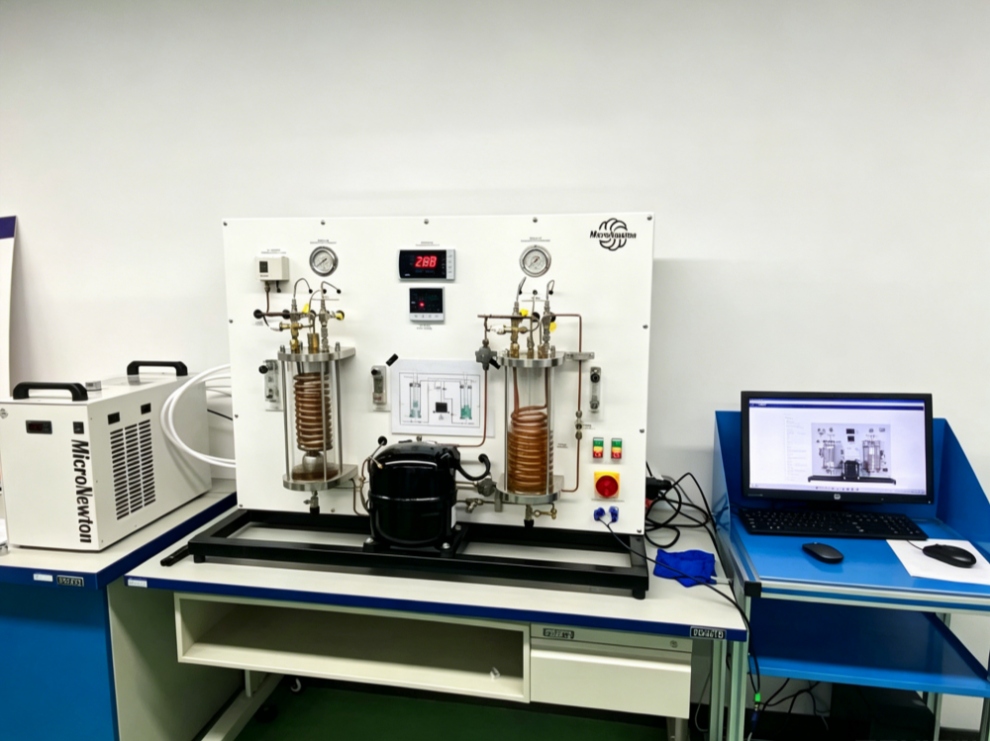
An integrated data acquisition terminal records every temperature, pressure, flow rate, and power reading at the same time and exports the dataset through USB. Students turn a short lab session into plots of heat transfer coefficient against flow rate and of coefficient of performance against evaporator temperature. Reading instruments, plotting curves, and reporting results are the skills that shipboard engineering expects from a new graduate.
Together the two families match the way a marine engineer actually thinks. Heat moves through exchangers, and cooling is produced by a vapor compression cycle. The rigs suit undergraduates in marine engineering, power plant engineering, and refrigeration technology, and they also support coursework in engineering thermodynamics and heat transfer.
Before dispatch, each heat exchanger module was pressure tested, and the refrigeration unit was run under load to confirm the readings on its touchscreen. The modules are packed as removable tabletop units, so the university can place them on existing laboratory tables and connect them to the host skid without permanent construction work. Once installed, the batch will give Dalian Maritime University a complete standalone thermal teaching set for both heat transfer and refrigeration courses.
Looking for heat exchanger training rigs or a vapor compression refrigeration trainer for your own laboratory? Contact our sales team to configure a set for marine engineering universities, technical colleges, or power plant training centers.
What equipment was shipped to Dalian Maritime University?
The shipment includes a series of heat exchanger training rigs (double pipe, plate, shell and tube, jacketed vessel, and finned tube coil modules) and one vapor compression refrigeration training unit, supported by a shared hot and cold water skid and an integrated data acquisition terminal.
Which heat exchanger types do students work with?
Students work with double pipe, plate, shell and tube, jacketed vessel, and water to air finned tube coil modules. Each unit shares the same water skid so results can be compared across types.
What measurements are taken on the heat exchanger training rigs?
Students measure inlet and outlet temperature, flow rate, and pressure drop, then calculate the overall heat transfer coefficient, the energy balance, and the log mean temperature difference for counter flow and parallel flow.
What does the refrigeration training unit demonstrate?
It demonstrates the four vapor compression processes of compression, condensation, expansion, and evaporation. Students read pressure and temperature at each point, plot a pressure enthalpy diagram, and calculate the coefficient of performance.
How is the coefficient of performance calculated?
Students divide the measured cooling capacity by the measured compressor power, then examine how condenser and evaporator conditions move the result.
How is laboratory data recorded and exported?
The integrated data acquisition terminal logs temperature, pressure, flow rate, and power readings at the same time and exports them through USB for curve plotting and laboratory reports.
Do the rigs require permanent installation?
No. The heat exchanger modules are removable tabletop units that connect to the shared skid on existing laboratory tables, with no permanent construction work required.
Which courses use this equipment?
The set supports marine engineering, power plant engineering, refrigeration technology, engineering thermodynamics, and heat transfer courses at undergraduate level.