Share:
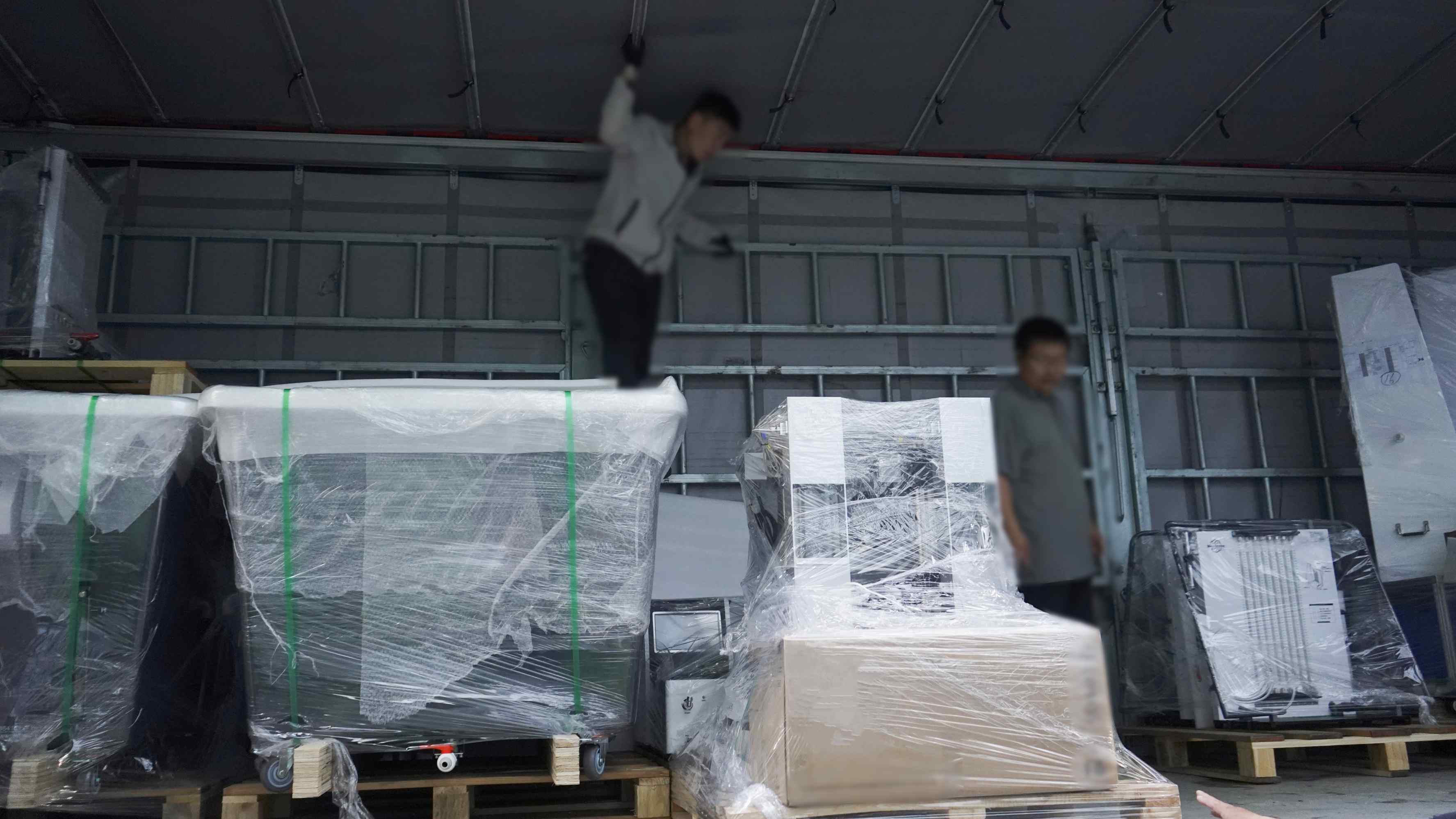
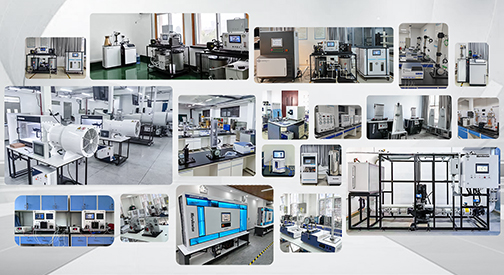
Recently, MicroNewton completed the delivery of a batch of laboratory teaching equipment to a university in Xinjiang, China. The equipment will be used to support practical teaching, laboratory training, and experimental learning in engineering-related courses. The delivered systems cover several important areas, including fluid mechanics, heat transfer, thermodynamics, and experimental measurement.
For university engineering education, practical experiments play an important role in helping students connect theoretical knowledge with real physical processes. Through hands-on operation, students can observe experimental phenomena, collect and analyze data, and compare experimental results with theoretical calculations. The delivered fluid mechanics and heat transfer laboratory equipment is designed to provide this type of practical learning environment.
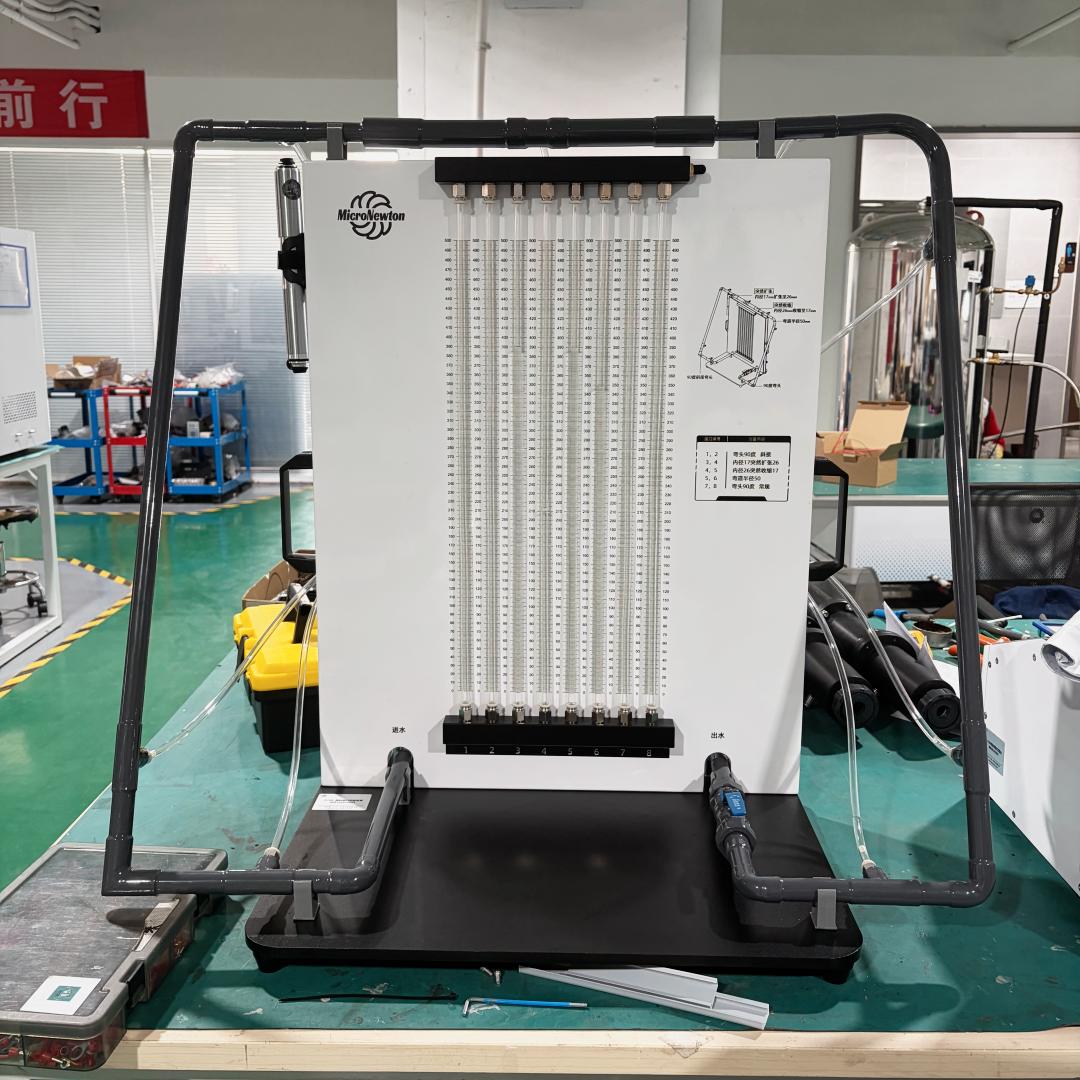
One of the key systems included in this delivery is the Pipework Energy Losses experimental equipment. Pipe flow and energy losses are fundamental topics in fluid mechanics and are widely related to the design and operation of industrial piping and fluid transportation systems.
With this experimental system, students can investigate the energy losses that occur when fluid flows through pipes and different pipe components. By measuring relevant pressure and flow parameters, students can observe how friction and pipe fittings influence the energy of a flowing fluid.
The experiments help students understand important concepts such as pipe flow, pressure loss, frictional resistance, head loss, flow rate, and energy conservation. Students can also learn how experimental measurements are used to evaluate the relationship between fluid flow conditions and energy losses.
This practical experience is particularly useful for courses in fluid mechanics, hydraulic engineering, mechanical engineering, and energy engineering. Instead of learning pipe resistance only through equations and theoretical models, students can directly operate the equipment and obtain experimental data, making abstract fluid mechanics concepts easier to understand.
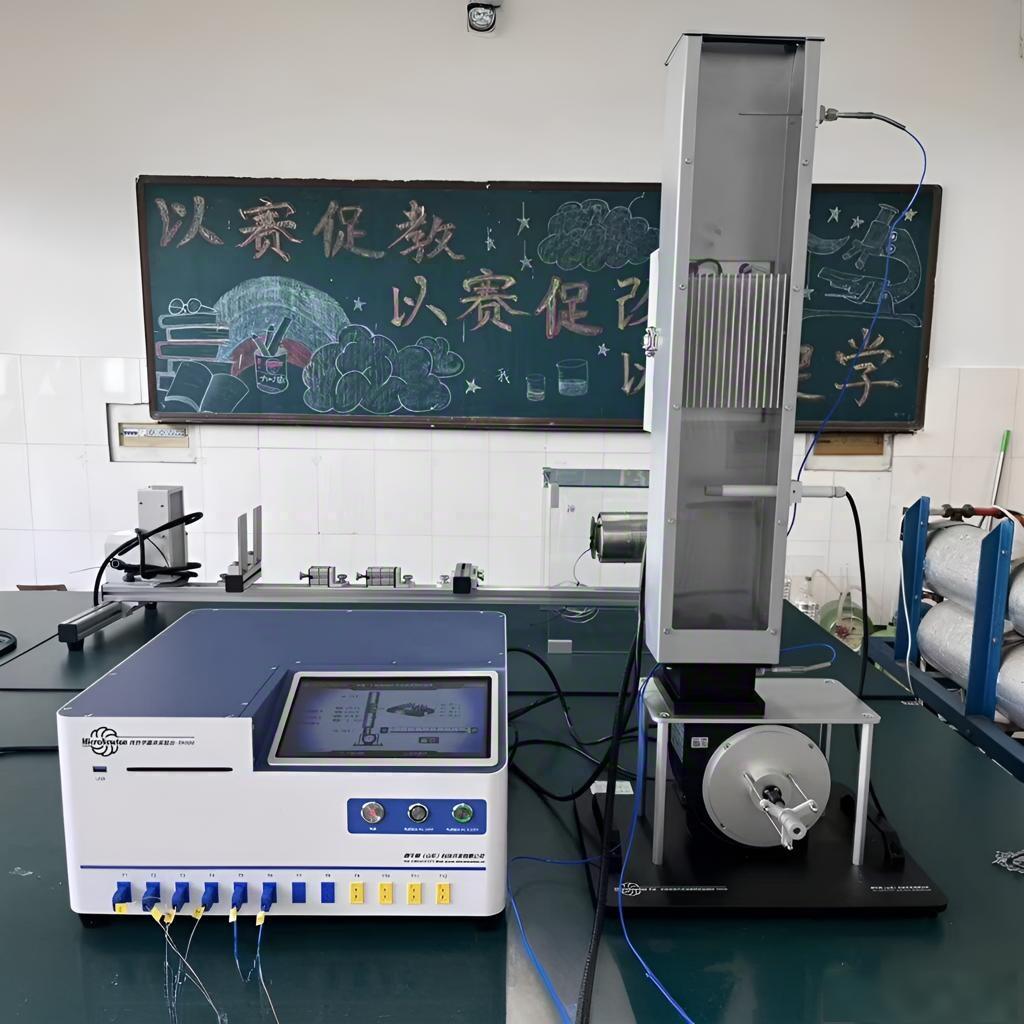
Another important product in the shipment is the Free and Forced Convection experimental system, which is designed for practical study of heat transfer mechanisms.
Convection is a fundamental heat transfer process in engineering applications. The experimental equipment allows students to investigate the differences between free convection and forced convection and observe how fluid movement influences heat transfer.
Through experiments, students can study temperature changes and heat transfer behavior under different convection conditions. The experimental results can be used to understand concepts such as convection heat transfer, temperature distribution, heat transfer rate, heat transfer coefficient, and the influence of fluid motion on thermal performance.
These experiments provide valuable practical knowledge for students studying heat transfer, thermodynamics, mechanical engineering, thermal engineering, and energy engineering. By collecting and analyzing experimental data, students can develop a better understanding of how theoretical heat transfer principles are applied to real engineering systems.
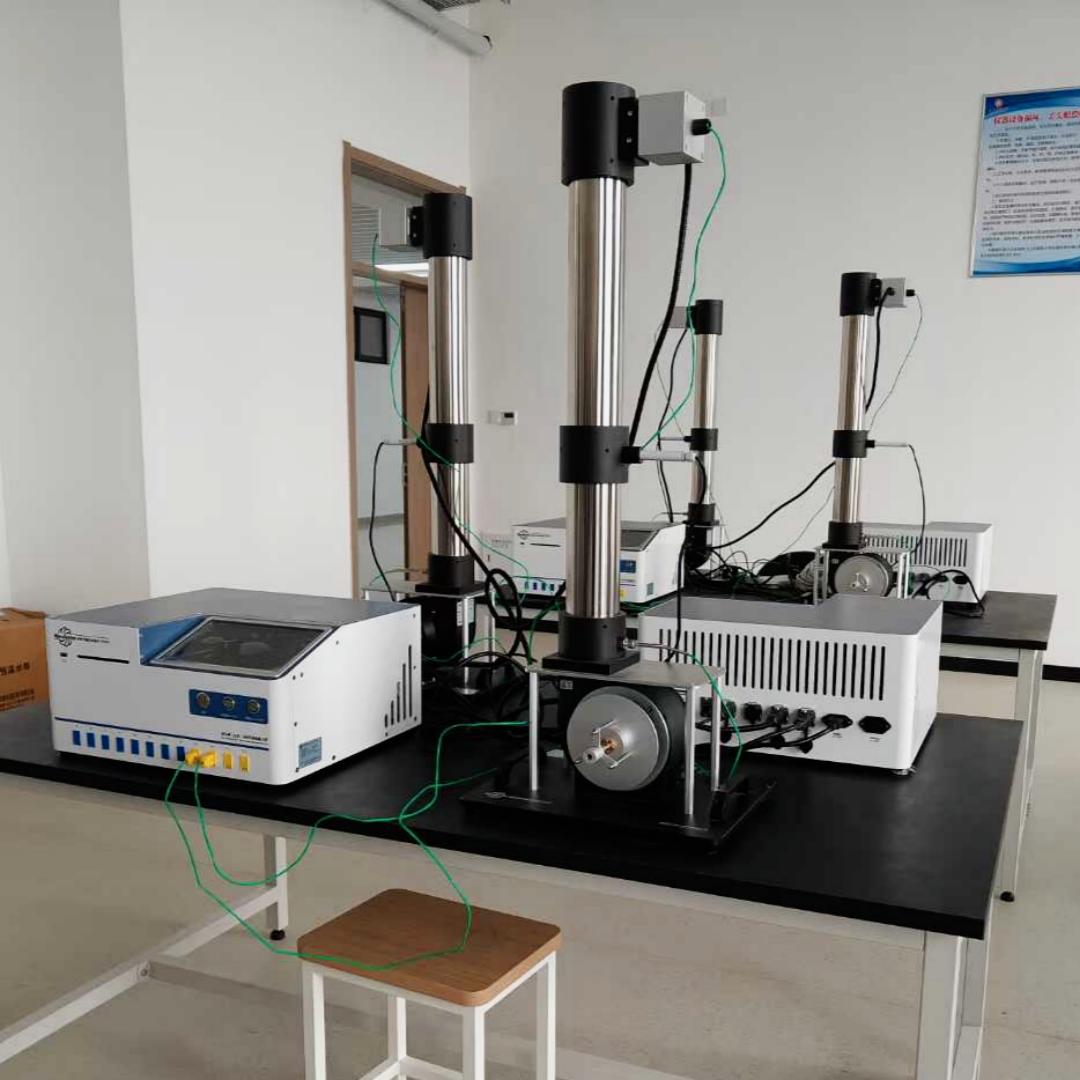
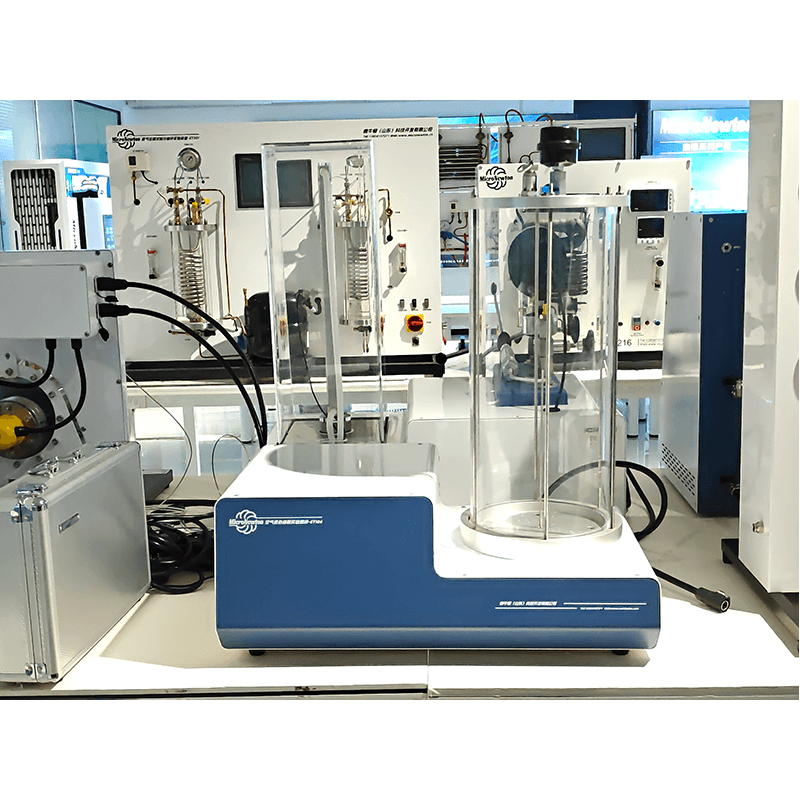
In addition to the two highlighted experimental systems, the shipment also includes Emissivity – Natural Convection and Radiation, Unsteady State Heat Transfer, and Air Adiabatic Index Test Module.
Together, these laboratory systems provide additional opportunities for students to study different thermal and thermodynamic processes. The Emissivity – Natural Convection and Radiation equipment can support experiments related to thermal radiation, emissivity, and natural convection. The Unsteady State Heat Transfer system can be used to investigate temperature changes during transient heat transfer processes, while the Air Adiabatic Index Test Module provides practical training related to thermodynamic properties and gas processes.
The combination of these experimental systems allows students to explore different physical principles through practical laboratory work rather than relying solely on classroom theory.
The delivery provides the university with additional resources for engineering laboratory teaching and practical education. During laboratory sessions, students can develop skills in equipment operation, measurement, experimental procedures, data recording, calculation, and result analysis.
More importantly, these experiments encourage students to connect theoretical principles with measurable physical phenomena. Whether studying energy losses in pipe systems or heat transfer through convection, students can observe how engineering parameters affect experimental results and learn how to interpret data from a real laboratory system.
MicroNewton is committed to providing practical and modular university laboratory equipment, engineering teaching equipment, and experimental training solutions for educational institutions. By supporting hands-on learning across fluid mechanics, heat transfer, and thermodynamics, these systems help universities create more application-oriented engineering laboratory environments.