Share:
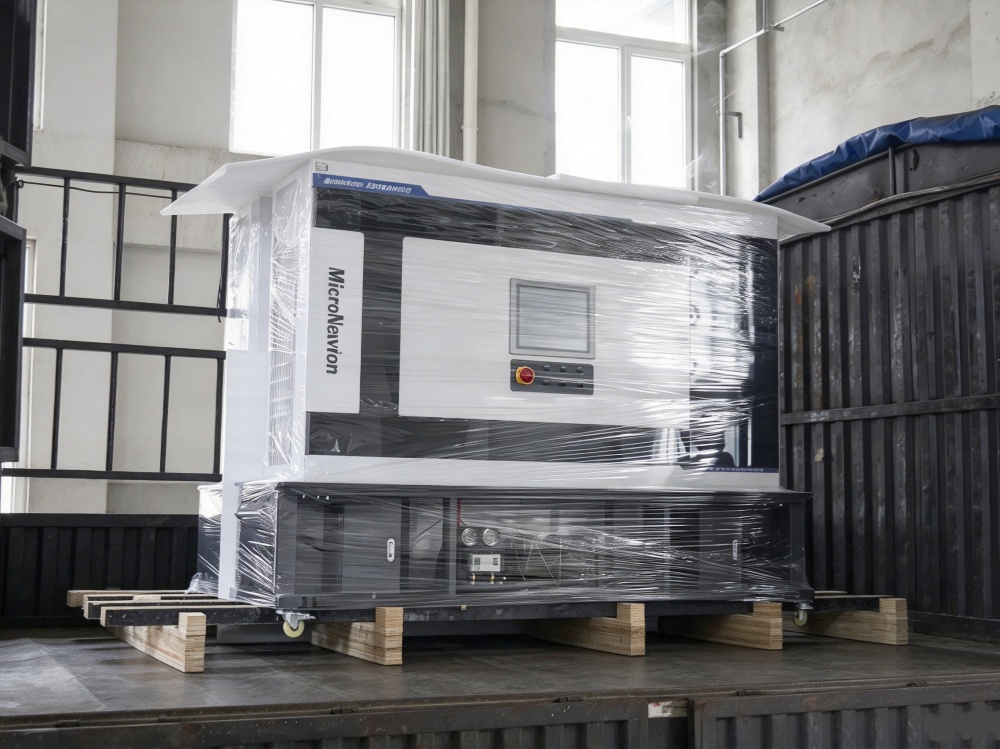
MicroNewton has prepared and shipped a new R260 air conditioning experimental apparatus to Liaoning University of Science and Technology. The unit leaves our workshop after a final inspection of the refrigeration loop, the square air duct, and the touch screen data acquisition system, and it now joins a long list of teaching equipment already in service at the university.
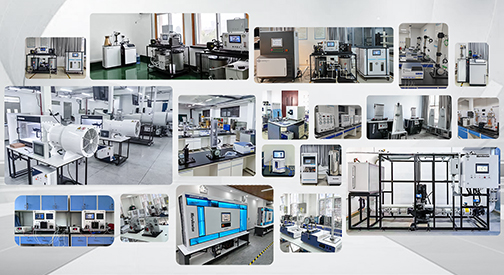
This delivery continues a deep cooperation between our engineering team and the refrigeration, HVAC, and energy teaching groups at Liaoning University of Science and Technology. Over several previous orders we have supplied different laboratory rigs covering heat transfer, fluid mechanics, and energy systems, so both sides already know how to match equipment to the syllabus. Because we design and build these rigs in our own workshop, we can tune the number of sensors, the duct size, and the control software to a specific course. That flexibility is why Liaoning University of Science and Technology has returned to us for equipment across several lab areas.
The teaching team asked for one bench that could turn lecture ideas into measurable experiments for undergraduates in building environment and energy engineering, refrigeration and cryogenics, HVAC, and energy and power engineering. They wanted students to stop reading about air handling and start measuring it with their own hands.
The R260 answers that request by letting students run the full range of air handling processes on one rig: heating, cooling, humidifying, dehumidifying, recirculation, and mixing of fresh and return air. They measure air volume, read dry bulb temperature and relative humidity, locate each air state point on the psychrometric chart, and calculate enthalpy difference, heat and moisture load, and energy balance across the conditioning section.
On the cooling side the same air conditioning training unit exposes the vapor compression refrigeration cycle to direct measurement. Students observe the four processes of compression, condensation, expansion, and evaporation, draw the log p h diagram, and estimate the coefficient of performance from measured power and cooling capacity. Reheat effect and coil heat transfer can also be quantified, which ties the air side and the refrigerant side into one consistent picture.
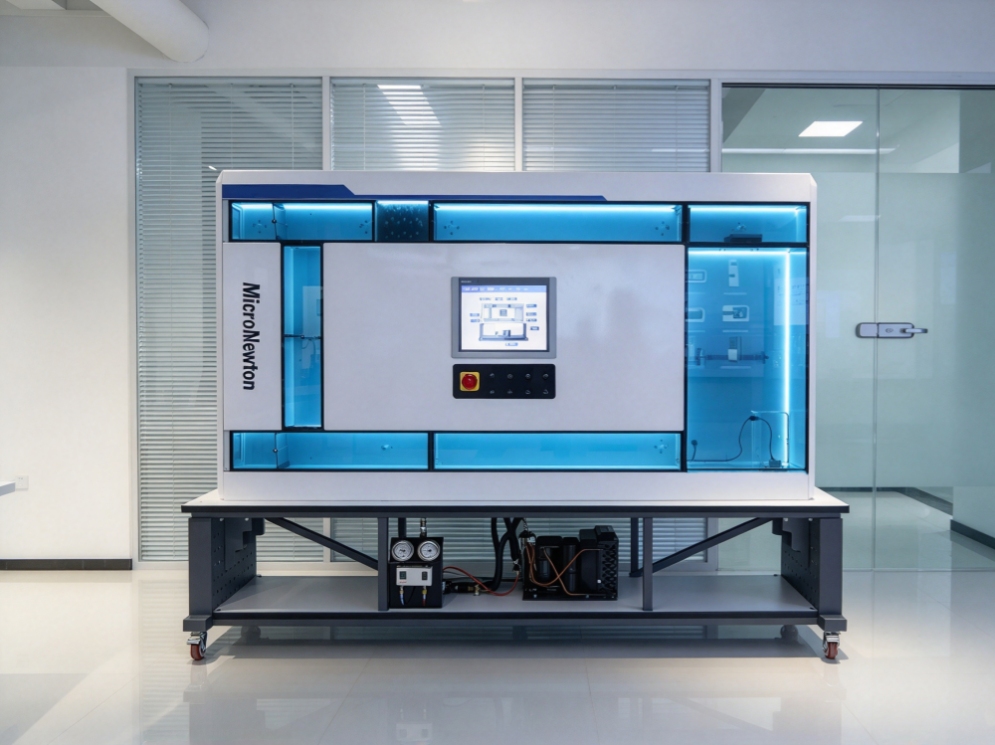
Together these experiments let students connect wet bulb temperature, relative humidity, and enthalpy on the psychrometric chart with the physical processes happening in the duct. They learn why cooling below the dew point removes moisture, how recirculation changes the load, and where reheat adds energy without cooling the room. On the refrigeration side they link compressor power, condenser heat, and evaporator cooling load back to the energy balance of the whole air conditioning training unit.
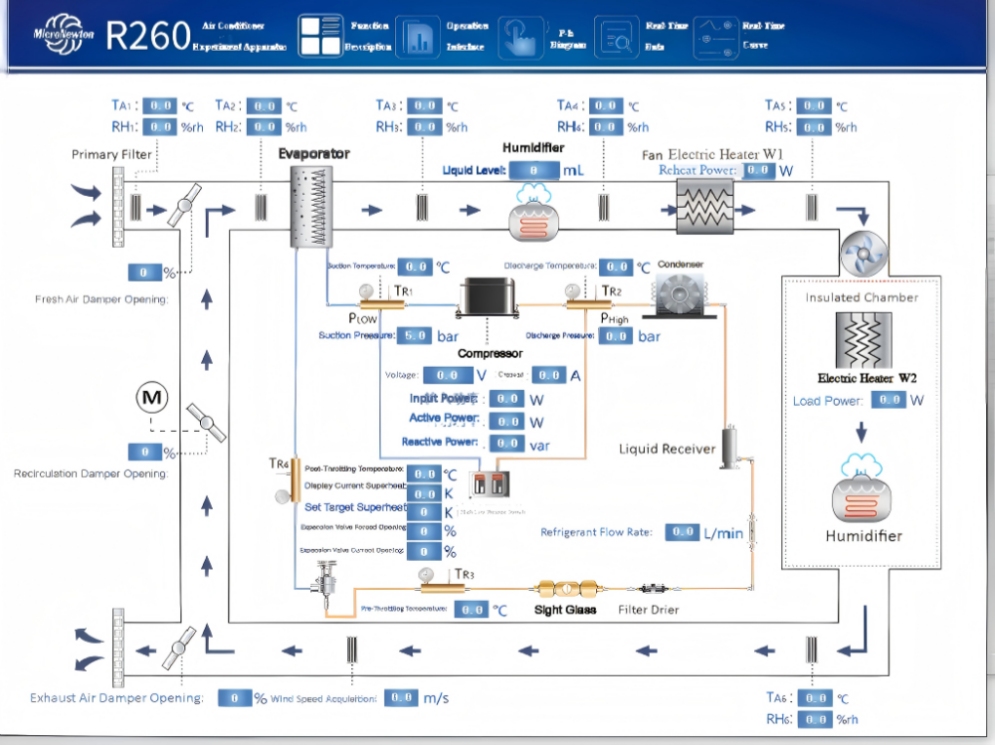
An integrated data acquisition terminal records temperature, humidity, air speed, pressure, and power at every stage and exports the readings by USB, so students can turn a short lab session into a report, a course design, or a final year project. The open duct and visible compressor let them see the equipment they are calculating, rather than relying on a hidden box.
Preparing the rig for dispatch meant pressure testing the refrigerant loop, running the humidifier and heater under load, and packing the touch screen and duct sections for transport. The shipping crate is built to protect this bench top unit on its way to the campus. For us the point of the delivery is simple: once installed, this air conditioning experimental apparatus will carry a new group of students through the same refrigeration cycle and air handling experiments that their seniors have already done on our earlier rigs.