Fundamentals of Fluid Mechanics
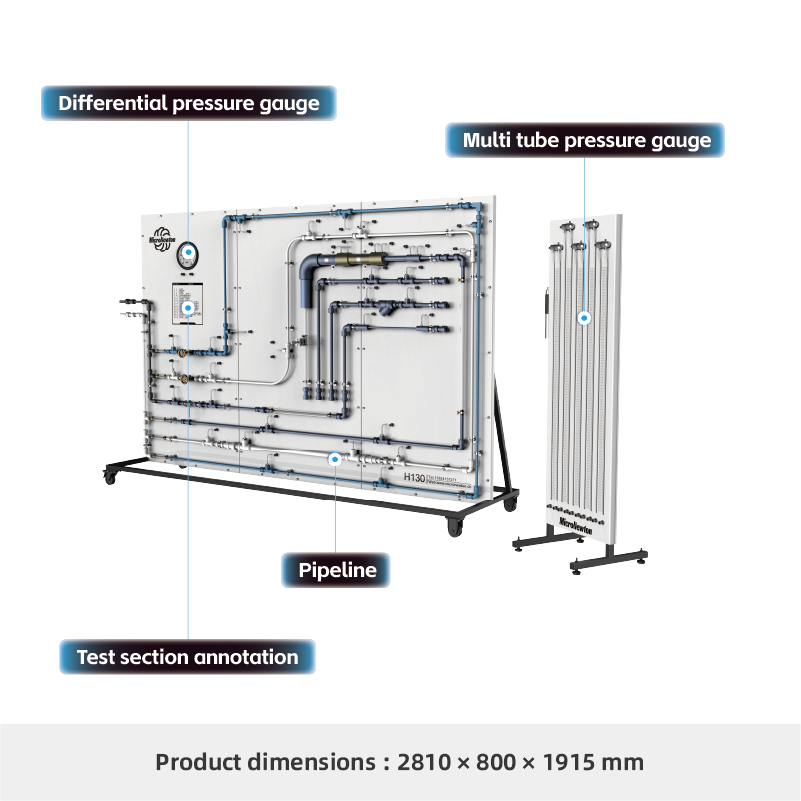
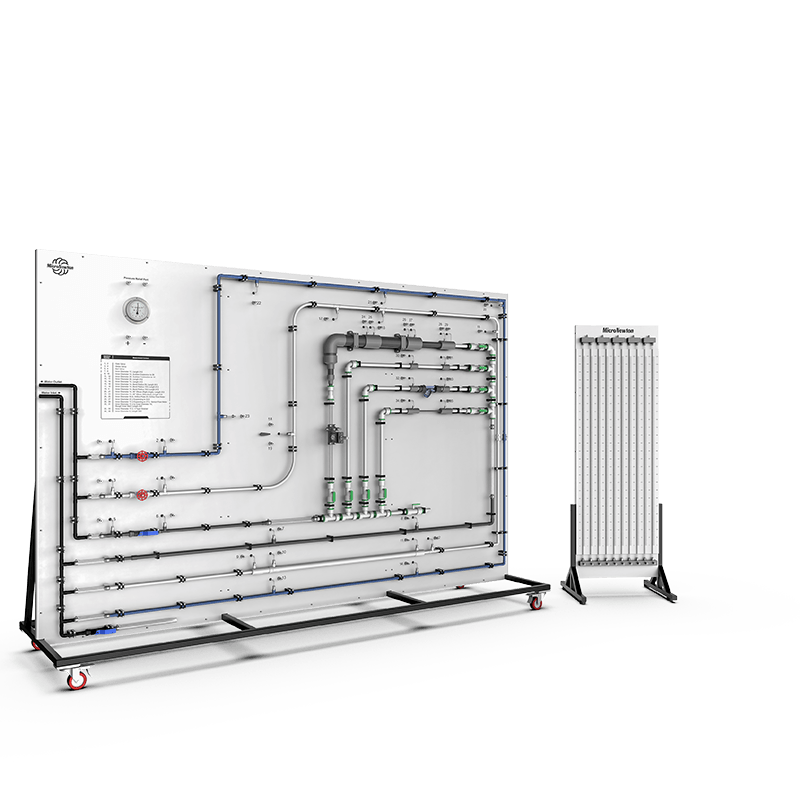
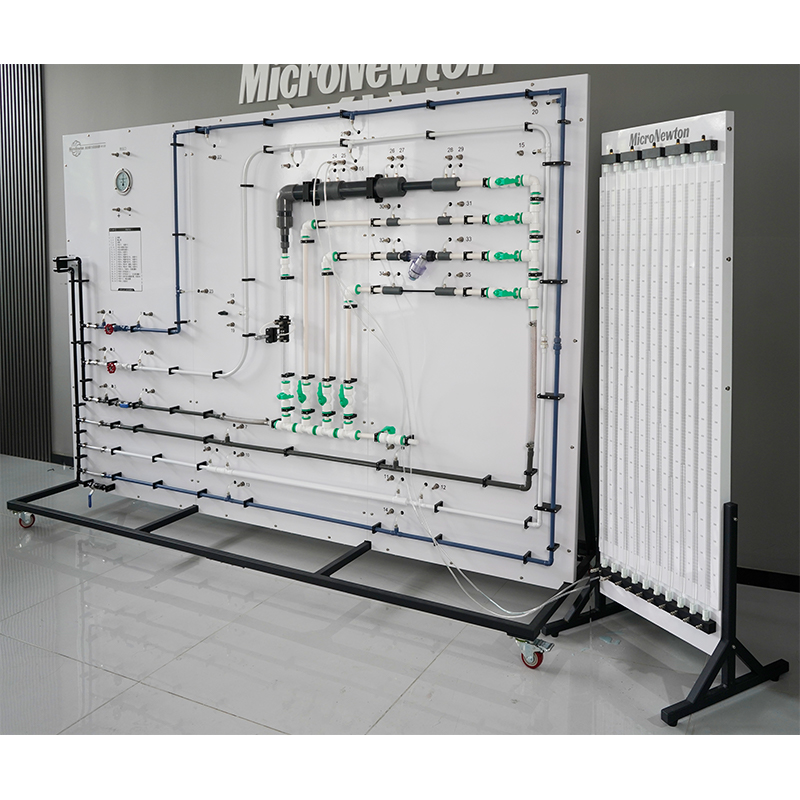
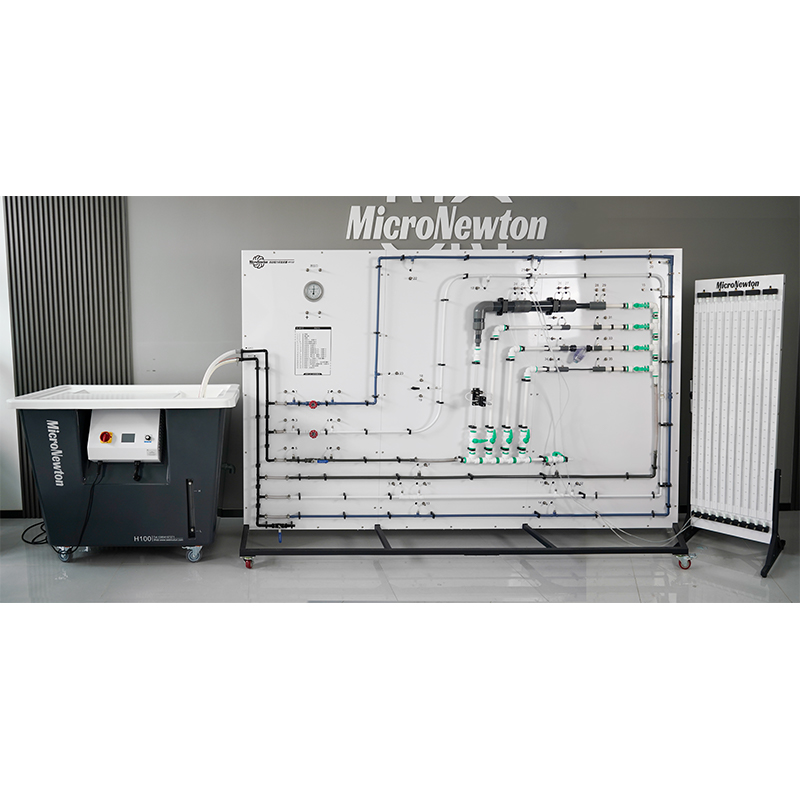
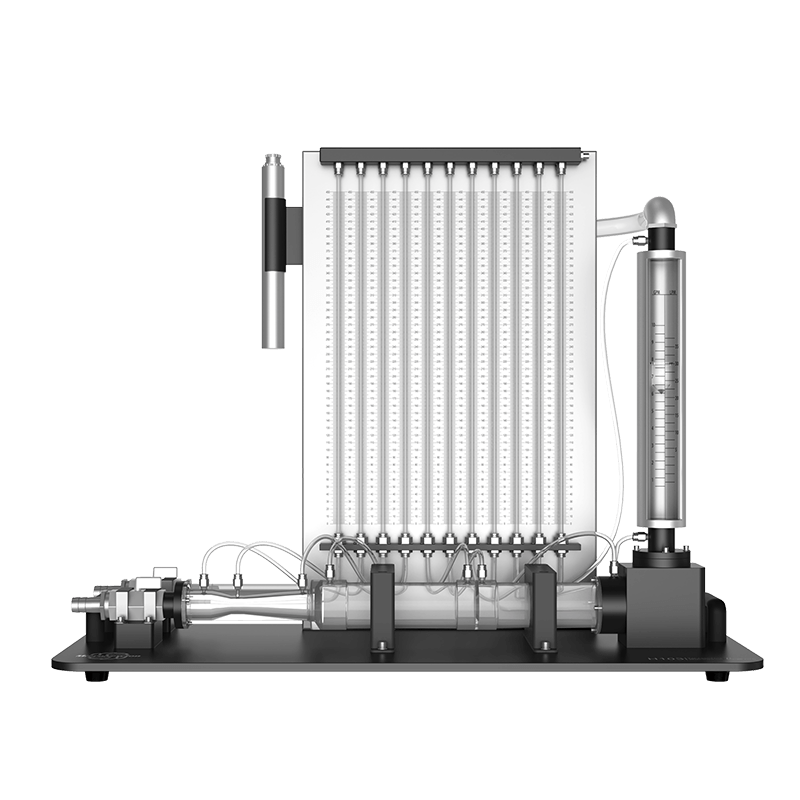
This apparatus is designed to be used together with the H100 Basic Fluid Mechanics Experimental Bench to measure the frictional resistance generated when fluid flows through different pipes or pipe fittings inside a pipeline.
Head loss in pipes and fittings is a classic problem in fluid mechanics. The H130 Flow Resistance Experimental Apparatus demonstrates the flow of fluid through various components such as rough pipes, filters, valves, and other pipe fittings through specially designed valves and pipe configurations. It also enables quantitative analysis of the relative head loss during the flow process.
The flow rate during the experiment can be precisely adjusted using orifice plate flowmeters, Venturi flowmeters, and Pitot tube flowmeters, while also demonstrating the practical operation of different types of flowmeters for flow measurement.
Share:
Added to cart successfully
Experimental Functions
1.Study the local head losses when fluid flows through sudden expansions, sudden contractions, valves, filters, and elbows.
2.Study the frictional head losses along pipes with smooth surfaces, different roughness levels, and different diameters.
3.Study the use of common flowmeters such as orifice, Venturi, and Pitot tube flowmeters, and measure their local resistance losses.
4.Learn methods and techniques for calculating local losses and local resistance loss coefficients.
5.Learn methods for determining the friction factor and head loss for pipes with different diameters and roughness.
Product Attributes
|
Product Model |
H130 |
Product Name |
Flow Resistance Experimental Apparatus |
|
Main Materials |
Copper Pipe, Galvanized Sheet |
Dimensions |
2810×800×1915mm |
|
Product Weight |
208.5kg |
Operating Environment |
Room temperature, relative humidity ≤ 85% |
|
Input Power Supply |
Single-phase three-wire, 220 V ±5%, 50 Hz/60 Hz 110 V ±5%, 50 Hz/60 Hz |
||
|
Required Modules |
None |
Optional Modules |
None |
Case Studies
Integrated Thermal Fluids and Energy Laboratory at Zhejiang University of Technology
Flight Demonstration Wind Tunnel at Shandong University
Multi Energy Complementary Experimental Platform at Hebei University
Statically Determinate Beam Section Internal Force Testing Apparatus Delivered to Jining Vocational and Technical College
Self Developed Compression Bar Stability and Stress Testing Apparatus Delivered to Shandong Polytechnic University
01

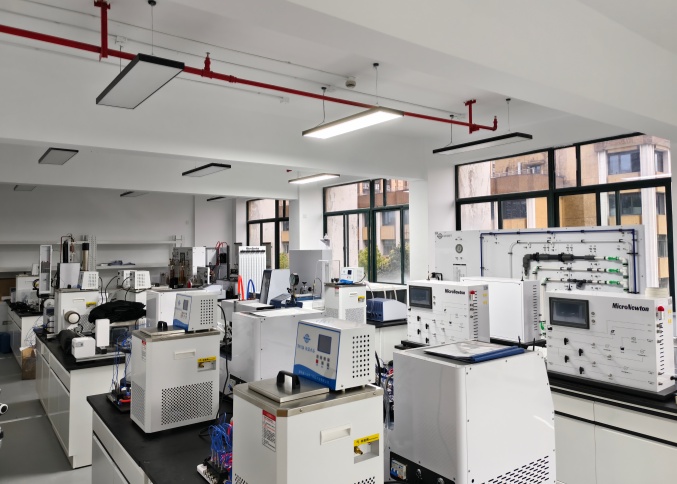
Integrated Thermal Fluids and Energy Laboratory at Zhejiang University of Technology
MicroNewton has equipped a five zone integrated teaching laboratory at Zhejiang University of Technology. The space covers heat transfer, thermodynamics, fluid mechanics, combustion, and multi energy systems with touchscreen stations for energy and power engineering programs.
Learn More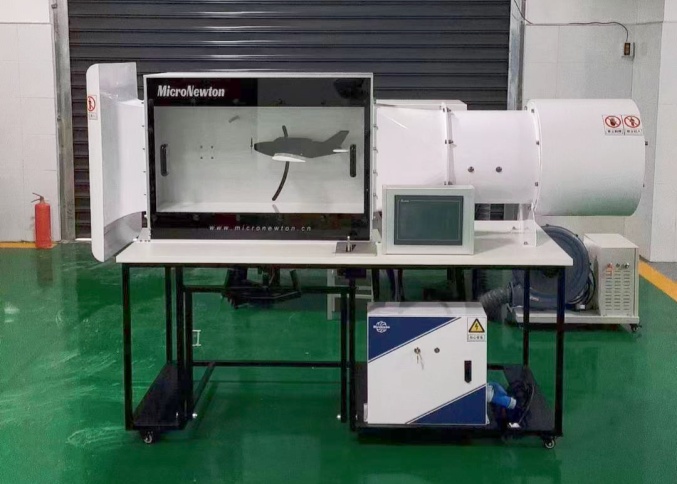
02
Flight Demonstration Wind Tunnel at Shandong University
MicroNewton has delivered a flight demonstration wind tunnel to Shandong University. Students operate a control stick to fly a NACA airfoil model in a subsonic flow, with a digital twin display showing lift, angle of attack, stall, and stability as they happen.
Learn More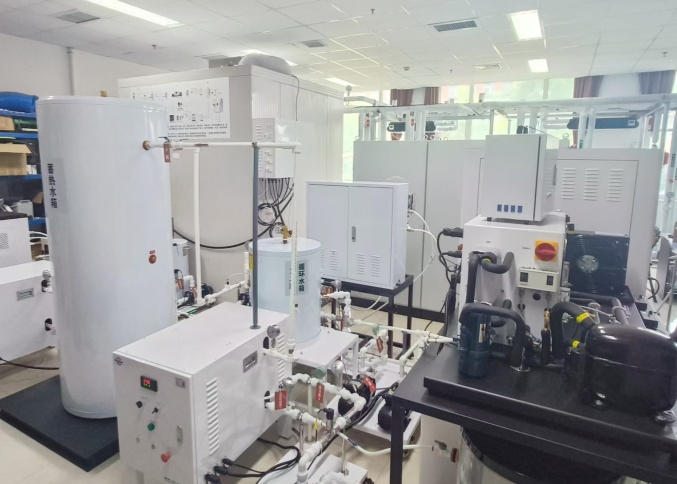
03
Multi Energy Complementary Experimental Platform at Hebei University
MicroNewton has delivered an integrated multi energy complementary experimental platform to Hebei University of Engineering. The platform combines solar, wind, hydrogen, thermal storage, and heat pump training equipment in one source, storage, and load network for student laboratories.
Learn More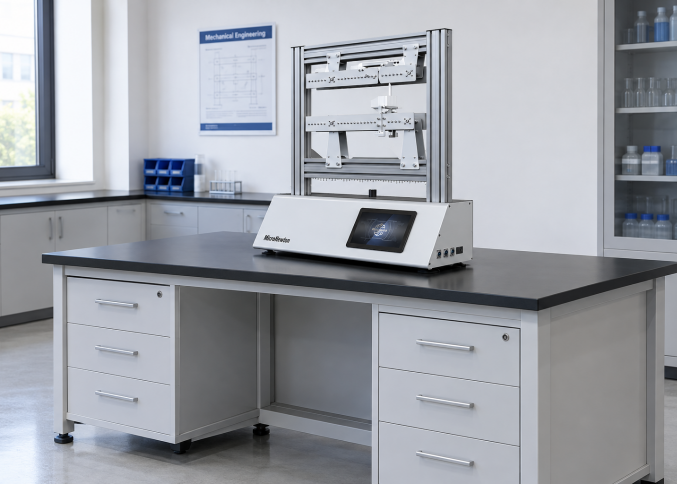
04
MicroNewton delivers self developed MST01 statically determinate beam section internal force testing apparatus to Jining Vocational and Technical College. This structural mechanics teaching equipment physically implements the section method to measure beam shear force and bending moment. It supports superposition principle verification and error analysis, suitable for civil engineering mechanical engineering and bridge related students at vocational and technical education institutions.
Learn More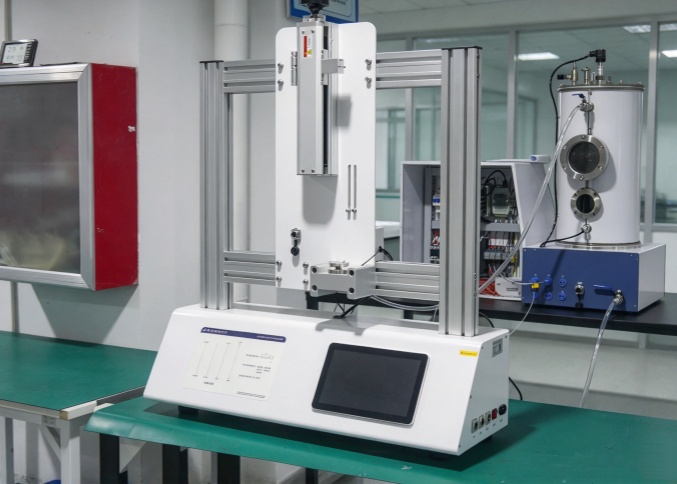
05
MicroNewton self developed MS10 compression bar stability and stress testing apparatus has been delivered to Shandong Polytechnic University. This teaching device enables students to observe column buckling, measure critical load and verify Euler formula with configurable end supports. It serves civil engineering and mechanical engineering students, helping them distinguish strength failure from stability failure and compare real experimental data against theoretical material mechanics formulas.
Learn MoreRelated Products