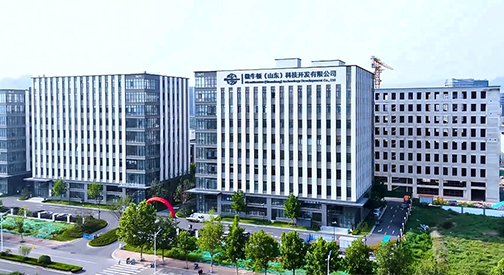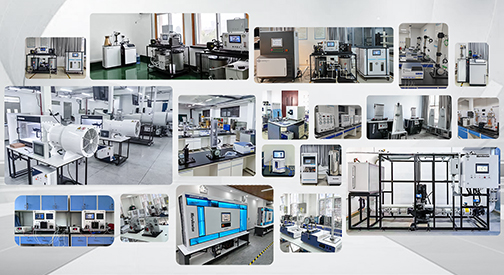
Integrated Thermal Fluids and Energy Laboratory at Zhejiang University of Technology
Share:
HANGZHOU, China: Zhejiang University of Technology wanted one teaching space that could serve several related courses at once instead of separate rooms dedicated to each subject. MicroNewton delivered an integrated laboratory spanning five teaching areas: heat transfer, thermodynamics and thermal power, fluid mechanics, combustion, and multi energy complementary systems. Learners now move from fundamental heat and flow experiments to renewable energy systems without changing buildings.
|
Zone |
Main equipment |
Core experiments |
|
Heat transfer and thermodynamics |
Modular heat transfer units, constant temperature baths, thermal cycle rigs |
Conduction, convection, radiation, thermal cycles and energy conversion |
|
Fluid mechanics and aerodynamics |
Open circuit subsonic wind tunnel on a mobile bench, touchscreen control cabinet, fluid flow rigs |
Flow over models, lift and drag, pipe flow, pressure distribution |
|
Combustion and flow |
Combustion and flow rigs, air supply unit, transparent columns with graduated flow measurement |
Flame behavior, flow rate, air supply effects |
|
Multi energy complementary |
Tilted solar panels, small wind turbine, thermal storage tanks, heat exchange units, multi stage energy storage device |
Renewable generation, storage, supply and demand balance |
|
Shared measurement platform |
Touchscreen data displays, adjustable parameters, common data recording |
Measurement, analysis and comparison across all zones |
The first stretch of bench rows hosts the heat transfer and thermal power stations. Modular units carry conduction, convection, and radiation experiments, while constant temperature baths set controlled thermal boundary conditions. On the adjacent thermodynamics rigs, pressure, temperature, and flow readings are followed through thermal cycle equipment, showing how heat converts to work and how conditions change around a cycle. These stations build the core vocabulary of thermal engineering before learners move to advanced experiments.
browse the full heat transfer training equipment range.
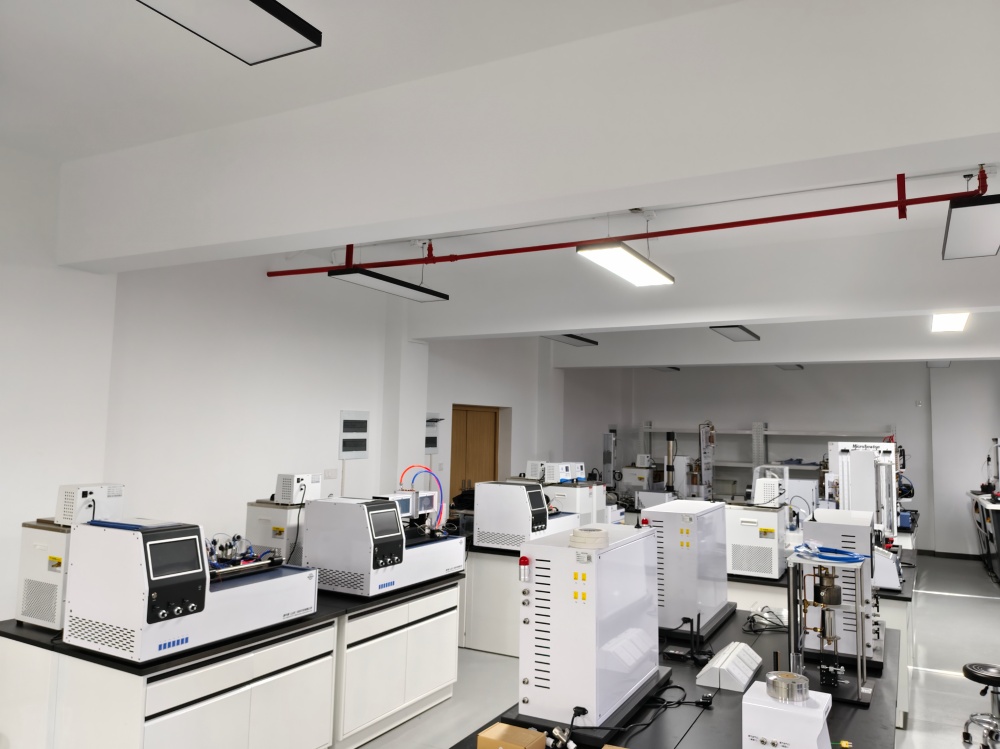
A little further along, an open circuit subsonic wind tunnel on a mobile bench works with a touchscreen control cabinet. Flow over models is observed through the transparent test section, where lift and drag are measured directly. Beside it, fluid flow rigs cover pipe flow, pressure distribution, and flow measurement using valves and gauges adjusted by hand.
explore fluid mechanics training equipment and wind tunnel teaching equipment.
Near the back wall, combustion and flow experiment rigs connect to an air supply unit. Transparent columns and graduated flow measurement make flame and flow phenomena visible. Operators record how flow rate and air supply change the process, then compare what they see against theory. Invisible gas and flame behavior becomes something that can be watched and measured.
view combustion training equipments.
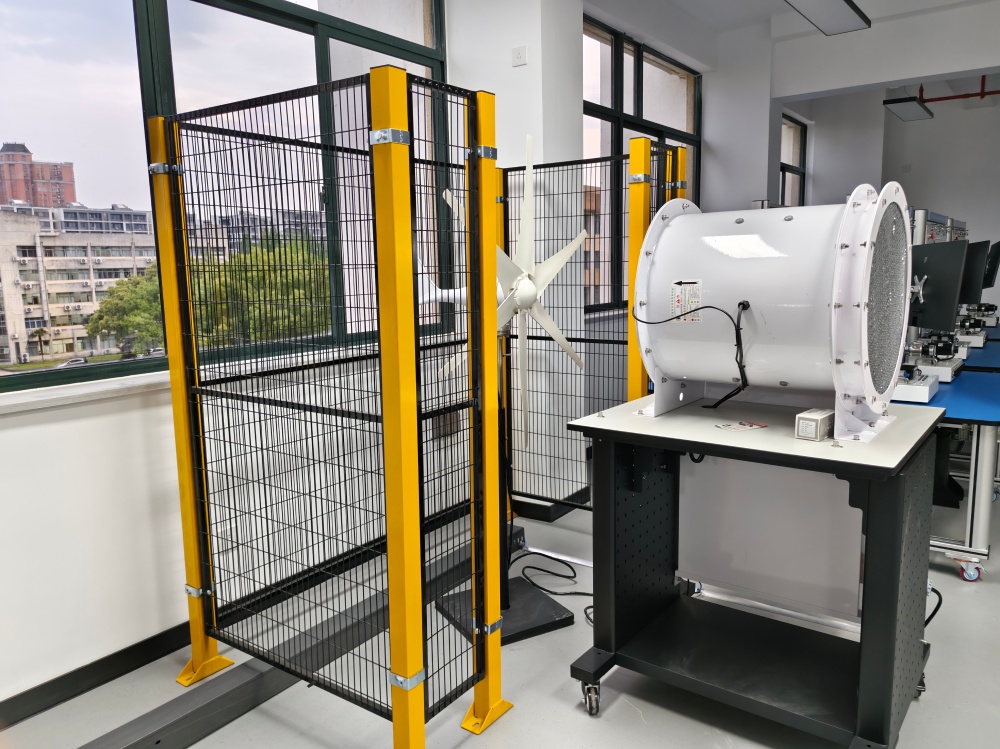
By the large windows, the laboratory opens into the multi energy complementary zone. Tilted solar panels and a small wind turbine sit beside thermal storage tanks and heat exchange units, with a multi stage energy storage experimental device tying the sources together. The zone shows how solar and wind generation connect to thermal storage and loads, and how a real energy system balances supply and demand. This is where single discipline work becomes system level thinking.
browse energy storage training systems.
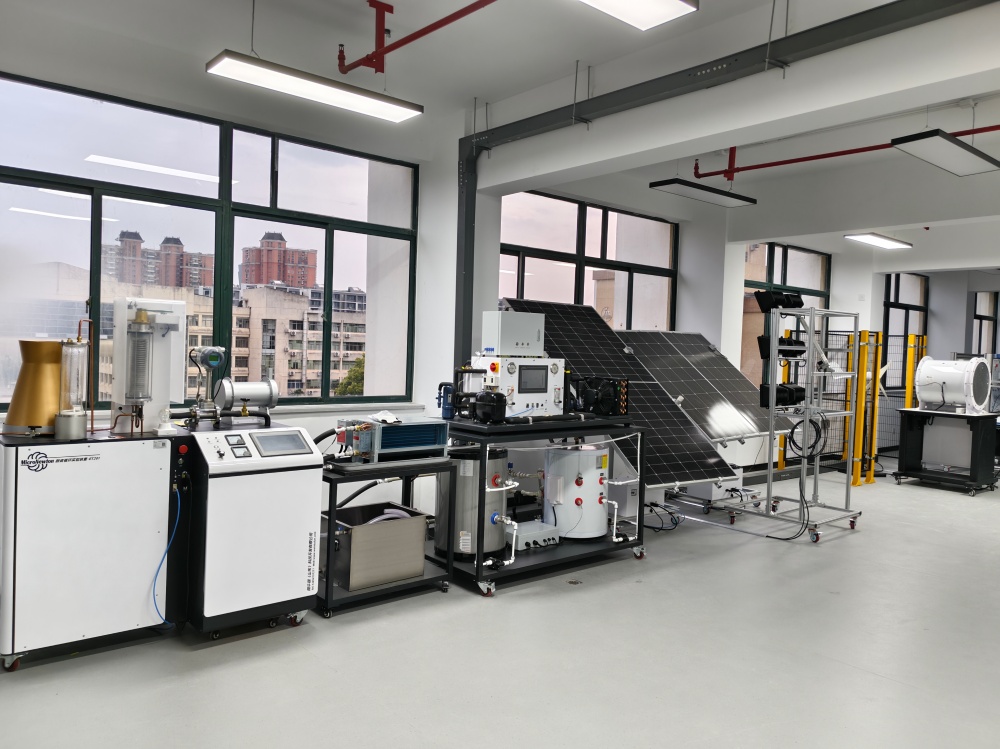
The project works as a single laboratory because every station shares one measurement philosophy: touchscreen data display, adjustable parameters, and experiment data that can be recorded and analyzed together. Learners use the same workflow from their first heat transfer test to their final multi energy balancing exercise.
The laboratory serves energy and power engineering, thermal and power engineering, refrigeration and air conditioning engineering, and process equipment students. As they move through the space, they build a connected picture across five domains: conduction, convection, and radiation; thermal cycles and energy conversion; pipe flow and wind tunnel aerodynamics; combustion and flow measurement; and renewable generation with storage and system balance. Graduates enter thermal power, HVAC, energy systems, and renewable energy industries.
MicroNewton provides integrated engineering laboratory solutions covering heat transfer, thermodynamics, fluid mechanics, combustion, and multi energy systems. Contact us to plan a laboratory for your university.
Q1. What is an integrated thermal fluids and energy laboratory?
A1: It is one shared teaching space that combines heat transfer, thermodynamics, fluid mechanics, combustion, and multi energy stations on a common measurement platform, so several engineering courses can run in the same room.
Q2. Which five teaching areas does the Zhejiang University of Technology laboratory cover?
A2: Heat transfer, thermodynamics and thermal power, fluid mechanics, combustion, and multi energy complementary systems.
Q3. What experiments run on the heat transfer stations?
A3: Conduction, convection, and radiation experiments on modular units, controlled thermal boundary conditions using constant temperature baths, and thermal cycle measurements on thermodynamics rigs.
Q4. What does the fluid mechanics corner include?
A4: An open circuit subsonic wind tunnel on a mobile bench with a touchscreen control cabinet and transparent test section, plus fluid flow rigs for pipe flow, pressure distribution, and flow measurement.
Q5. How do the combustion rigs show flame and flow?
A5: Transparent columns and graduated flow measurement connected to an air supply unit let learners observe flame behavior directly, record how flow rate and air supply change it, and compare the results with theory.
Q6. What is in the multi energy complementary zone?
A6: Tilted solar panels, a small wind turbine, thermal storage tanks, heat exchange units, and a multi stage energy storage experimental device that ties the sources, storage, and loads together.