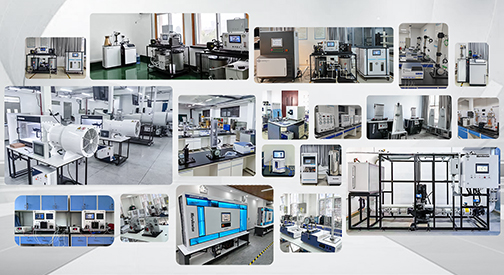
Harbin Institute of Technology Equips Aerospace Lab with Subsonic Wind Tunnel Series for HandsOn Aerodynamics Education
Share:
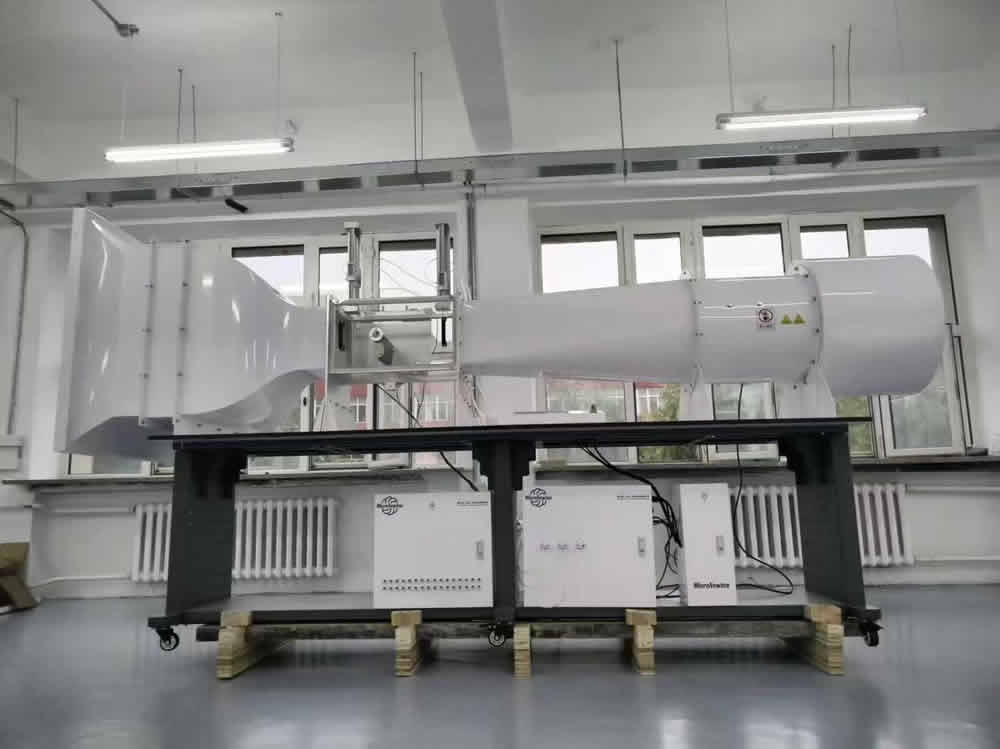
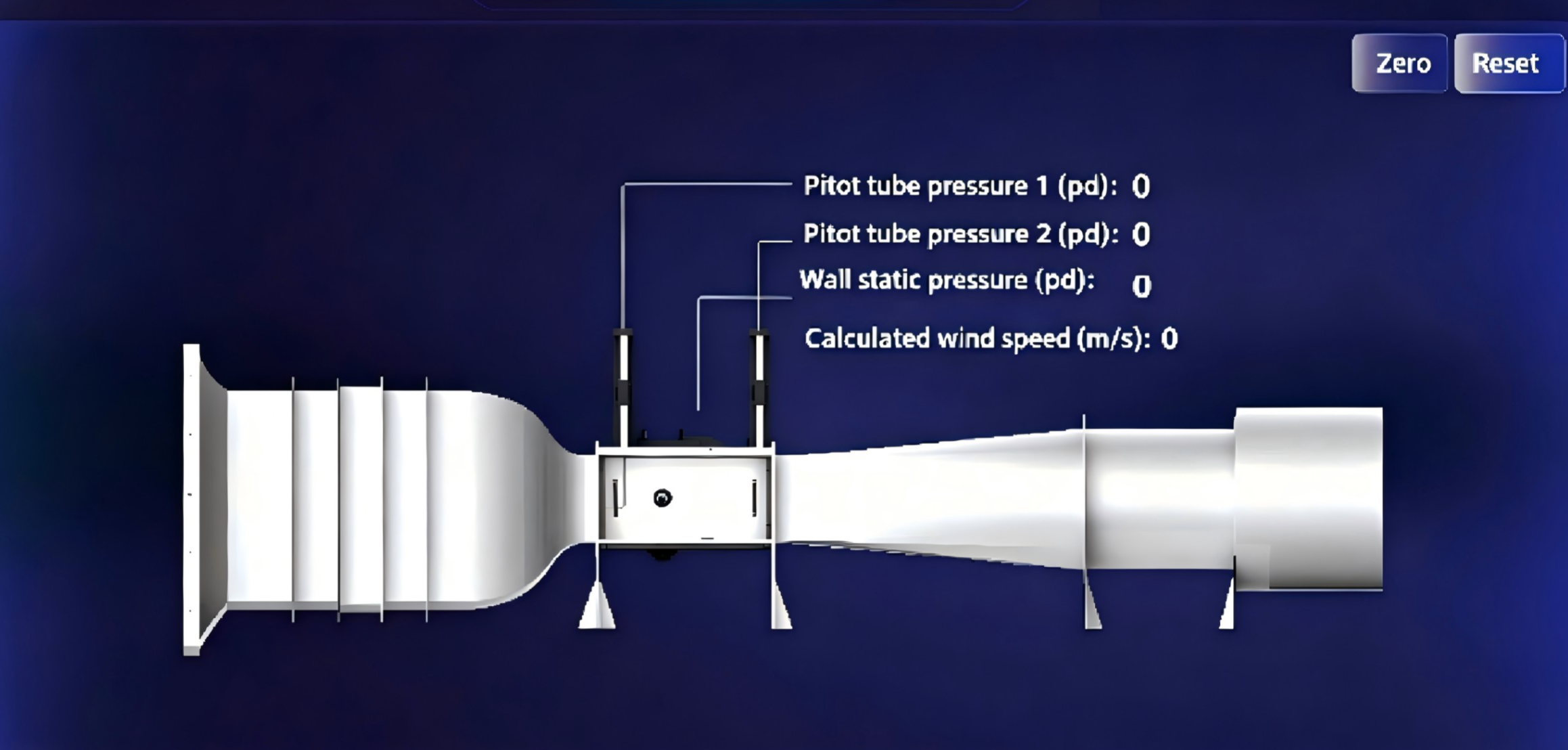
Harbin Institute of Technology (HIT), renowned for its aerospace engineering programmes, sought to upgrade its aerodynamics teaching laboratory with equipment that could move students beyond textbook theory and into real experimental practice. The university needed a versatile subsonic wind tunnel system one that could support multiple experiment types, accommodate interchangeable models, and deliver measurable force and pressure data for undergraduate and postgraduate coursework. A single purpose tunnel would not suffice; HIT required a modular wind tunnel series that could grow with its curriculum. MicroNewton supplied a complete subsonic wind tunnel series built around the F130 low speed open circuit wind tunnel, paired with a three component balance, a 32 channel pressure unit, NACA airfoil models, and a smoke generator for flow visualization.
|
Component |
Key Specifications |
|
Wind tunnel main unit |
Open circuit subsonic wind tunnel, test section 300 × 300 mm acrylic, wind speed 0-33 m/s, fan 0-2900 r/min, power ≤4.5 kW |
|
Three component balance |
Lift 0-40 kg, drag 0-20 kg, pitching moment resolution ≤0.01 N·m |
|
32 channel pressure unit |
Range -3 to +3 kPa, accuracy ≤0.5 grade, ≥32 channels |
|
NACA0012 airfoil model |
≥20 staggered pressure taps, 150 mm chord, 300 mm span |
|
Smoke generator |
0-500 W heating, for flow visualization |
|
Control & display |
≥10.1 inch touchscreen, real time curves, Excel export, four lockable casters |
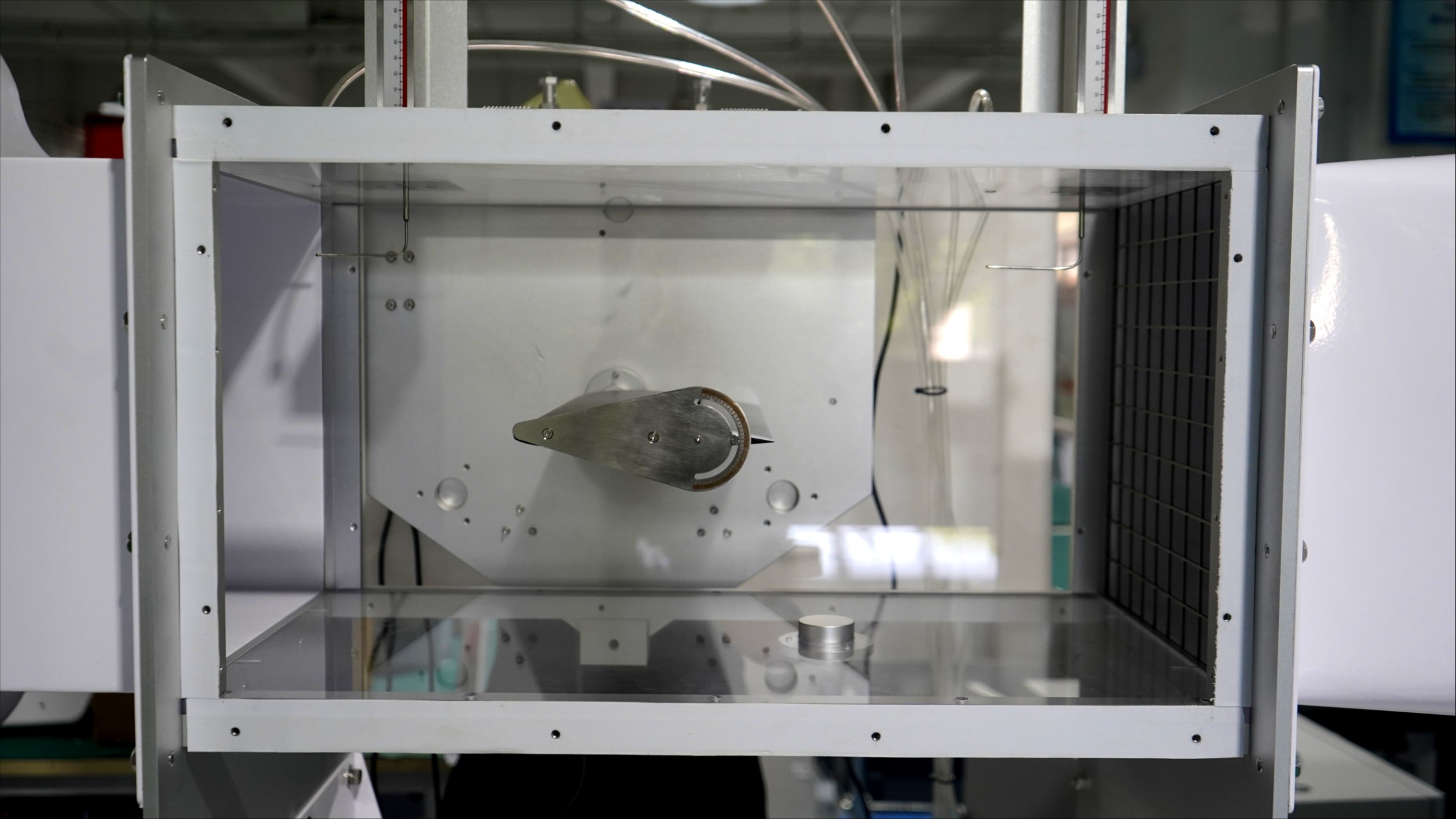
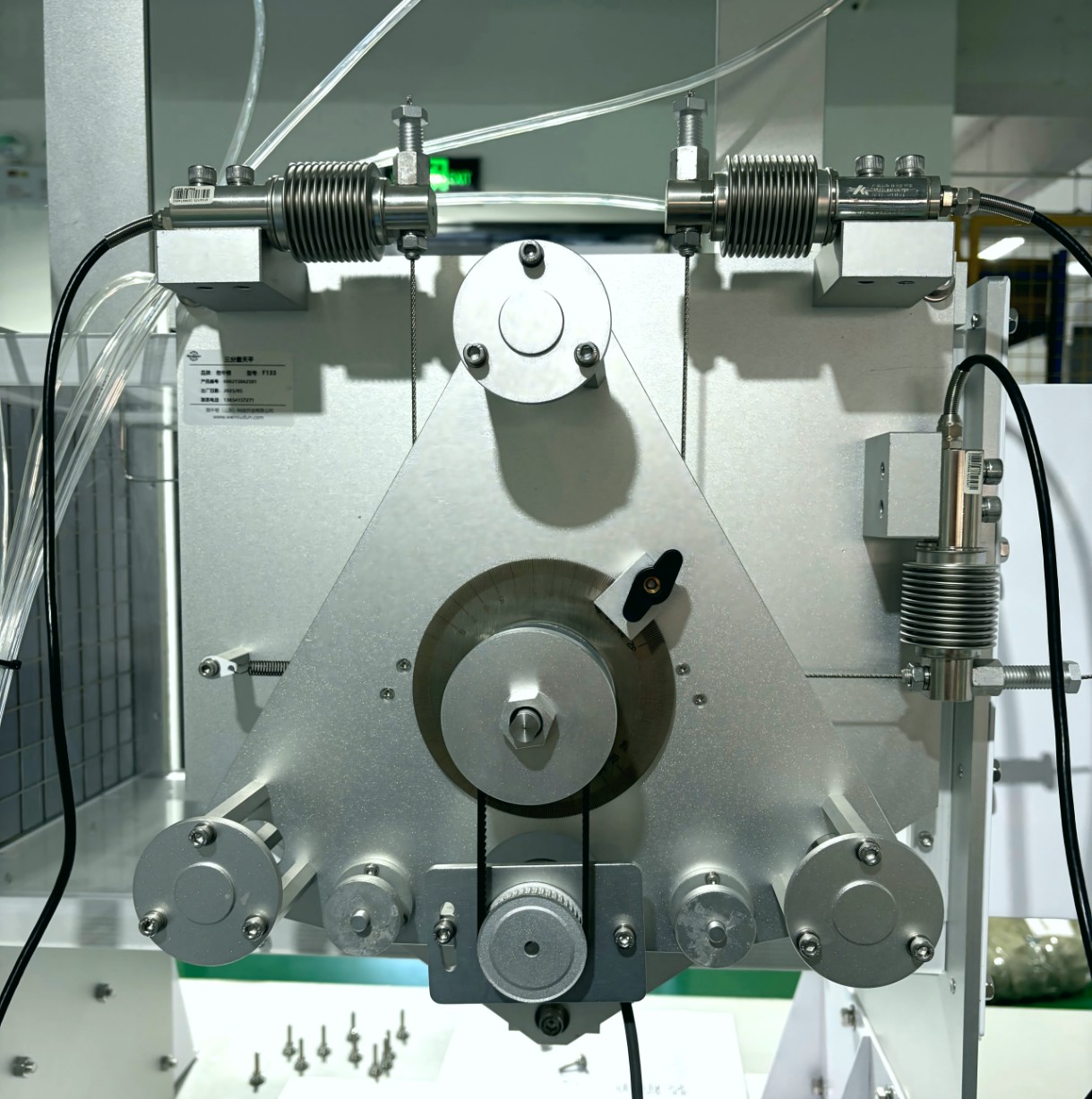
The wind tunnel series serves aerospace engineering, mechanical engineering, and fluid mechanics students at both undergraduate and postgraduate levels. Through structured experiments, students gain proficiency in core aerodynamics knowledge points. In the wing model experiment, students mount NACA0012 airfoils a full span 300 mm model for two dimensional flow and a 150 mm model for three dimensional flow and measure lift, drag, and pitching moment across angles of attack from -5° through stall (typically 12-20°). They calculate dimensionless coefficients lift coefficient CL, drag coefficient CD, and pitching moment coefficient CM and compare 2D versus 3D behaviour, observing how wing tip vortices reduce effective lift and increase induced drag. The experiment also teaches students to identify the most efficient angle of attack, where the lift to drag ratio reaches its maximum a critical parameter in aircraft wing design.
In the pressure distribution experiment, students use the NACA0012 airfoil's 20 staggered pressure taps connected to the 32 channel pressure acquisition unit to map surface pressure at varying angles of attack, including pre stall and post stall conditions. They derive the pressure coefficient Cp at each tap, integrate pressure distributions across the airfoil surface to obtain total lift, and analyse how flow separation dramatically alters pressure patterns as the wing approaches and passes stall. Additional experiments cover boundary layer development, wake traverses behind bluff bodies, and flow visualization using the smoke generator to render streamlines and separation zones visible. All data is captured in real time on the integrated touchscreen, displayed as dynamic curves, and exportable to Excel for post processing.
By providing a single, reconfigurable subsonic wind tunnel platform that spans force measurement, pressure mapping, boundary layer analysis, and flow visualization, MicroNewton's wind tunnel series gives HIT a teaching laboratory where aerodynamic principles are not just taught they are measured, analysed, and deeply understood.
Explore MicroNewton's full subsonic wind tunnel series and aerodynamics laboratory equipment. Contact us to configure a modular system tailored to your institution's curriculum and research needs.