Carbon Dioxide Adsorption Experiment System Supports Carbon Capture Research and Teaching at a Leading Chinese University
Share:
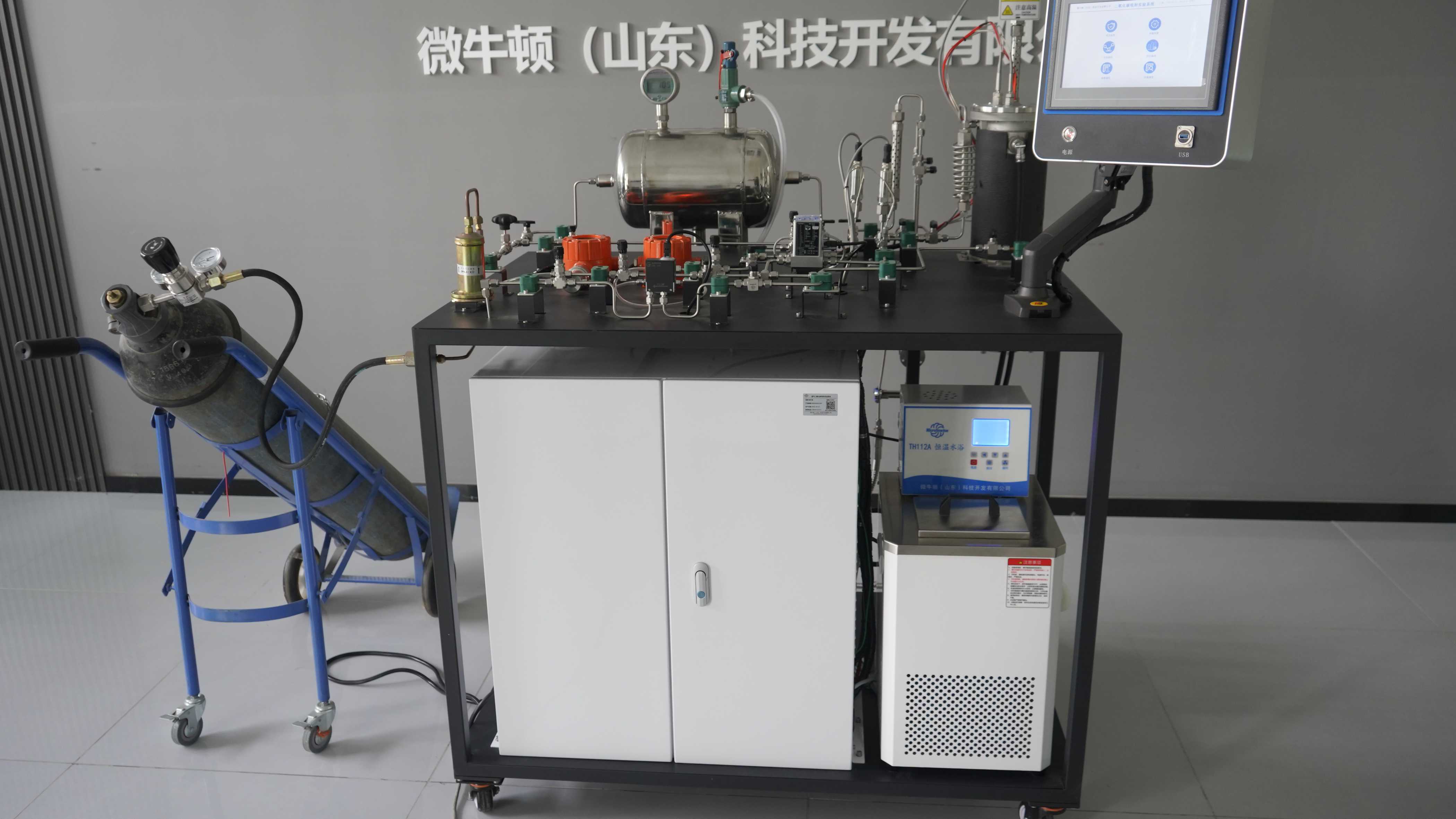
A leading Chinese university with a strong focus on chemical engineering and environmental technology sought a reliable experimental platform for carbon capture research and student laboratory training. The university required a system that could precisely control gas flow, pressure, temperature, and carbon dioxide concentration while measuring adsorption capacity and desorption dynamics across a range of adsorbent materials. MicroNewton provided a complete carbon dioxide adsorption experiment system designed to meet these requirements, integrating gas supply, pressure regulation, flow measurement, concentration detection, adsorption, and data acquisition into a single coordinated platform.
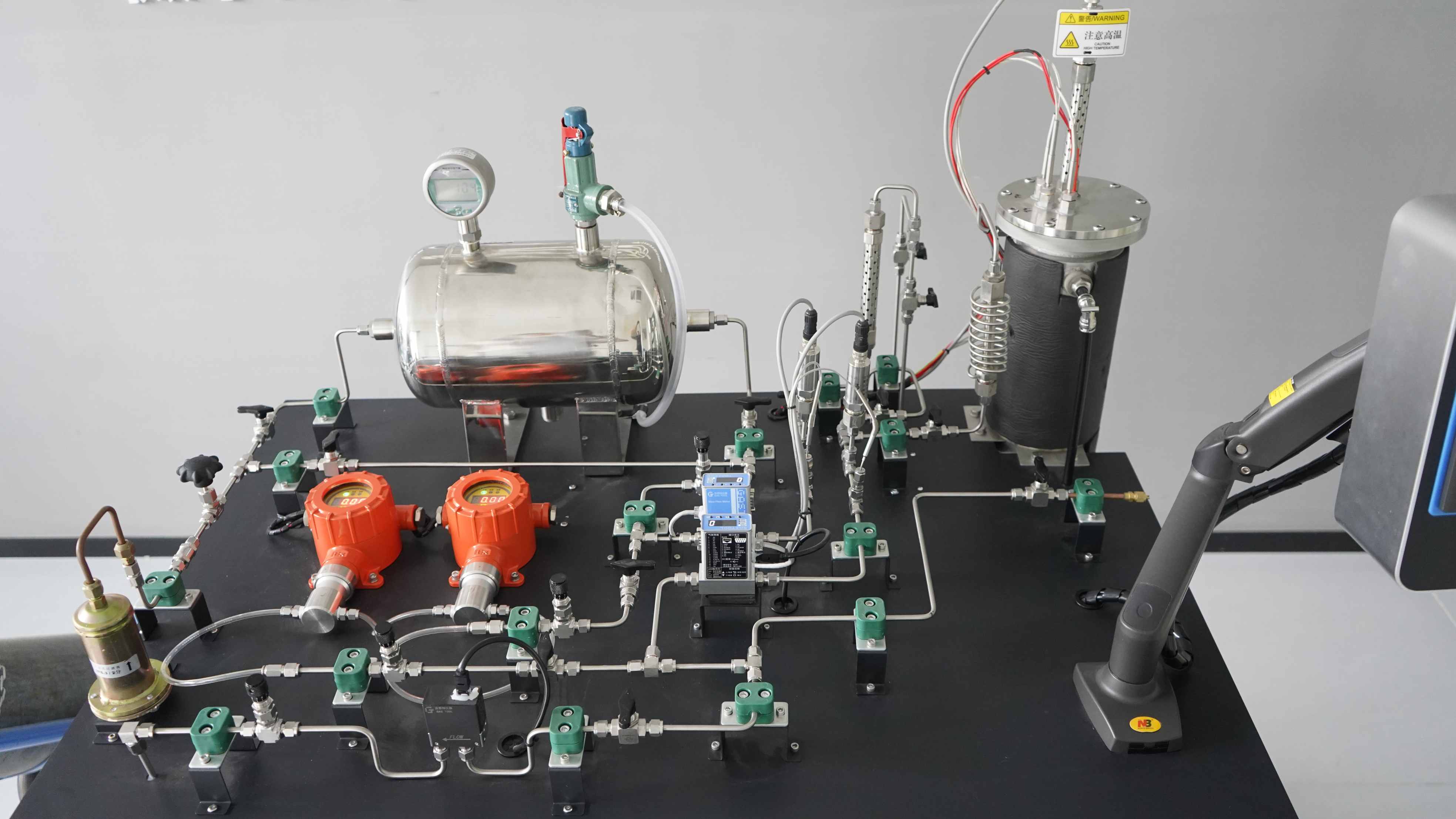
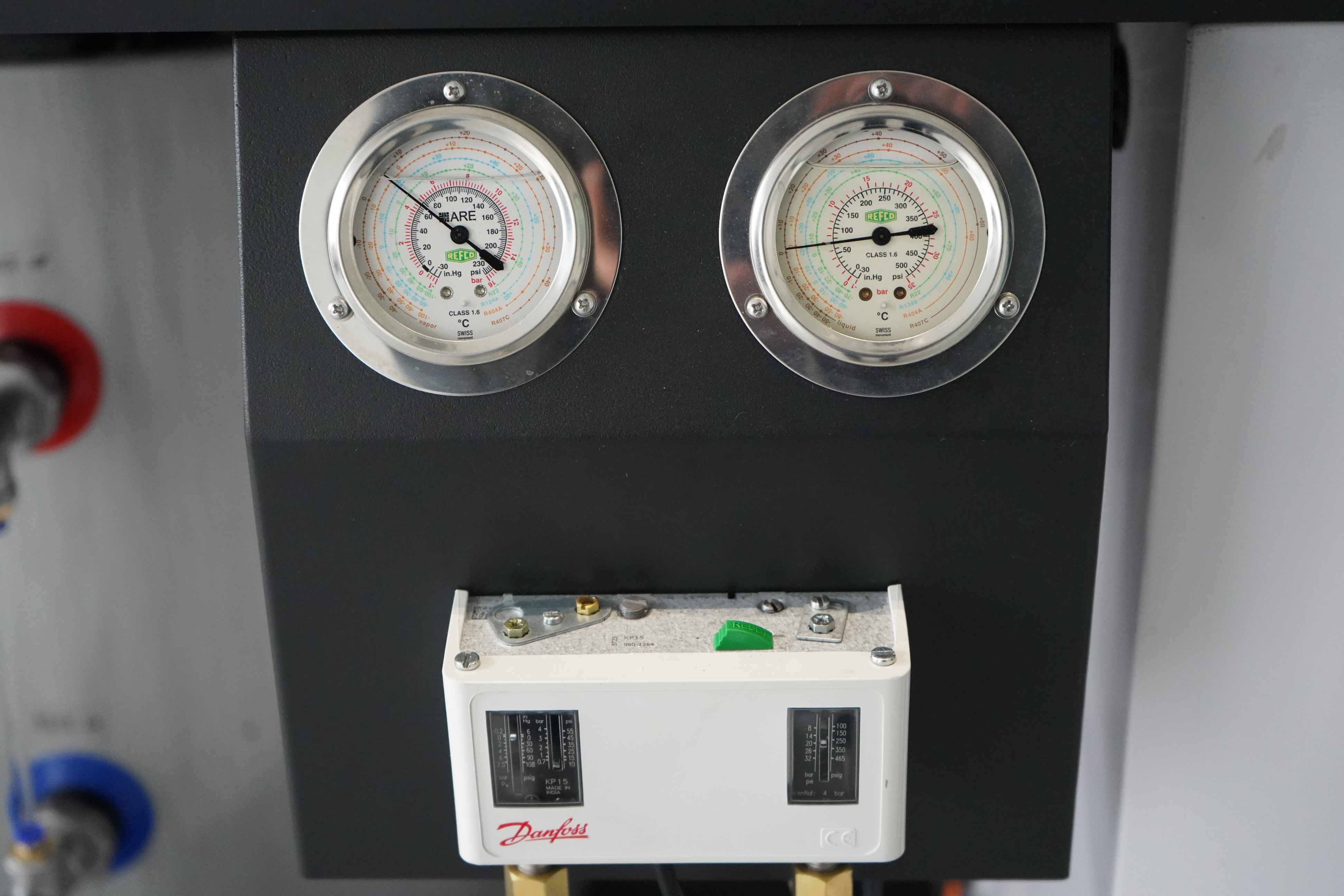
The system operates as a continuous gas circuit. A gas supply unit with a 10 L storage tank feeds carbon dioxide and carrier gas through a pressure regulating device and buffer tank, ensuring stable inlet conditions. A gas mass flow meter with a range of 0 to 500 SLPM controls gas delivery with an accuracy of plus or minus 0.2 percent of full scale. The gas then enters an adsorption vessel housed in a constant temperature water bath capable of maintaining temperatures from minus 5 to 100 degrees Celsius with a fluctuation of plus or minus 0.05 degrees. A carbon dioxide concentration sensor with 1 ppm resolution monitors the outlet gas in real time, while a data acquisition system records all parameters on a 10.1 inch industrial touchscreen. Pressure is managed by a gas pressure controller with a resolution of 0.001 psi and monitored by precision sensors, and a vacuum pump with an ultimate pressure of 2 Pa supports pressure swing desorption. Heating rods and T type thermocouples enable precise thermal control for temperature swing regeneration.
Students and researchers using the carbon dioxide adsorption experiment system gain hands on experience across a full cycle of adsorption science. At constant temperature, they measure adsorption capacity at different pressures and plot adsorption isotherms, building an understanding of adsorption equilibrium principles. They compare the performance of different adsorbent materials including activated carbon, molecular sieves, and metal organic framework materials, evaluating carbon dioxide adsorption capacity and selectivity. Temperature effect experiments reveal how thermal conditions influence adsorption behaviour and adsorption rate. For desorption, students apply heating or vacuum to regenerate spent adsorbent, observing the adsorption desorption cycle and learning the principles of temperature swing adsorption and pressure swing adsorption. They measure concentration versus time curves during desorption to calculate desorption rate, desorption amount, desorption time, and regeneration degree, mastering the dynamic characteristics of desorption processes. All experimental data is logged by the integrated acquisition system and can be exported for further analysis and report writing.
By combining precise process control with comprehensive data acquisition, the carbon dioxide adsorption experiment system gives the university a versatile platform for carbon capture research, adsorbent material screening, and practical engineering education. Students move beyond textbook descriptions to generate, analyse, and interpret real adsorption data, preparing them for careers in carbon capture technology, chemical engineering, and environmental science.
Explore MicroNewton carbon dioxide adsorption experiment system and other chemical engineering laboratory equipment. Contact us to discuss your research and teaching requirements.